كل ما يستحق المعرفة قبل السفر.
Amsterdam was the first city where same-sex couples could legally marry. On April 1, 2001, four couples wed at city hall at midnight, a televised ceremony that became a global symbol. The Netherlands has ranked among the most LGBTQ+-friendly countries for two decades, and Amsterdam's gay tourism reflects that.
The gay scene scatters across several historic clusters, not one dense neighborhood. Amsterdam is small enough that you can walk between all of them. The canals—a UNESCO World Heritage site—connect everything and define the city's queer geography as much as the bars themselves.
Gay clusters across the city
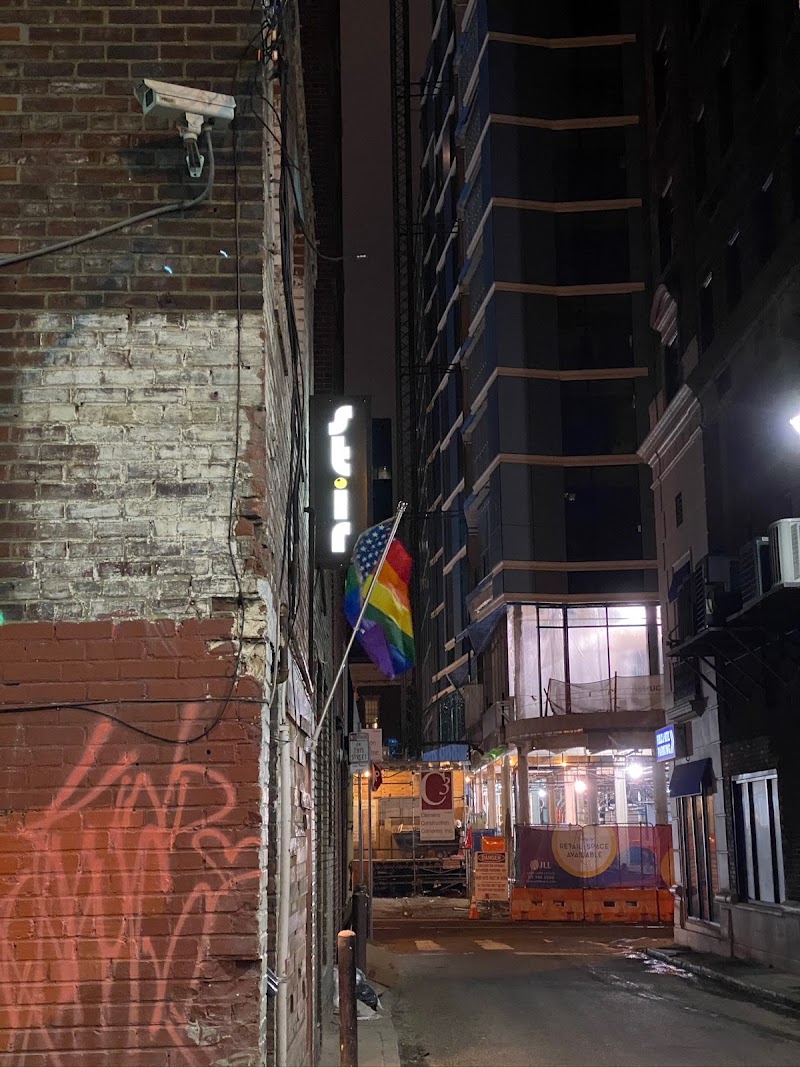
Reguliersdwarsstraat ("Reggies" to locals) is the chicest gay strip—short, narrow, Soho-style, with most of Amsterdam's daytime and evening gay bars. Taboo, Soho Amsterdam, Prik, Café Reality, and NYX cluster here. They open from late afternoon onwards.
Warmoesstraat (in the Red Light District) holds the older leather/cruise scene—darker, more masculine, with the city's longest-running gay bars. The Eagle, Argos, and Web have been here for decades.
Amstel/Halvemaansteeg is the third cluster—classic gay cafés like Amstel Fifty Four and Café 't Mandje. Café 't Mandje on Zeedijk has operated since 1927 and is officially the oldest continuously running gay bar in the world.
Kerkstraat, just south of the center, hosts most of the city's saunas and a few bars.
Bars and clubs
Café 't Mandje is a literal historical monument. Its founder, Bet van Beeren, ran the bar as openly queer from 1927, even through Nazi occupation. The interior is unchanged. It's a required visit.
Prik on Spuistraat is the Sunday-tea-dance institution. Soho Amsterdam anchors Reguliersdwarsstraat with a London-style cocktail bar feel. Taboo is the bigger weekend dance bar.
For clubs, Club NYX (corner Reguliersdwarsstraat/Reguliersgracht) is the multi-floor weekend mainstream gay club. De Trut (Sundays only, members-rate pricing) is the legendary underground queer night in Westerpark. Garbo, Spijker, and various circuit events host the bigger party scene.
Canal Pride—Amsterdam's signature event
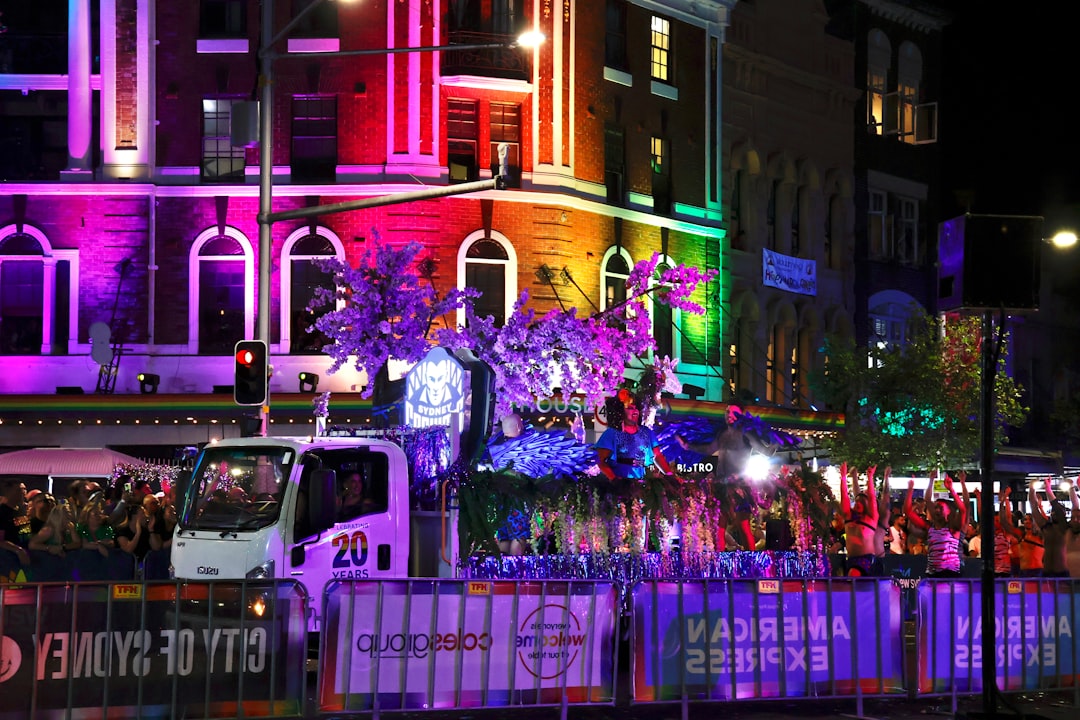
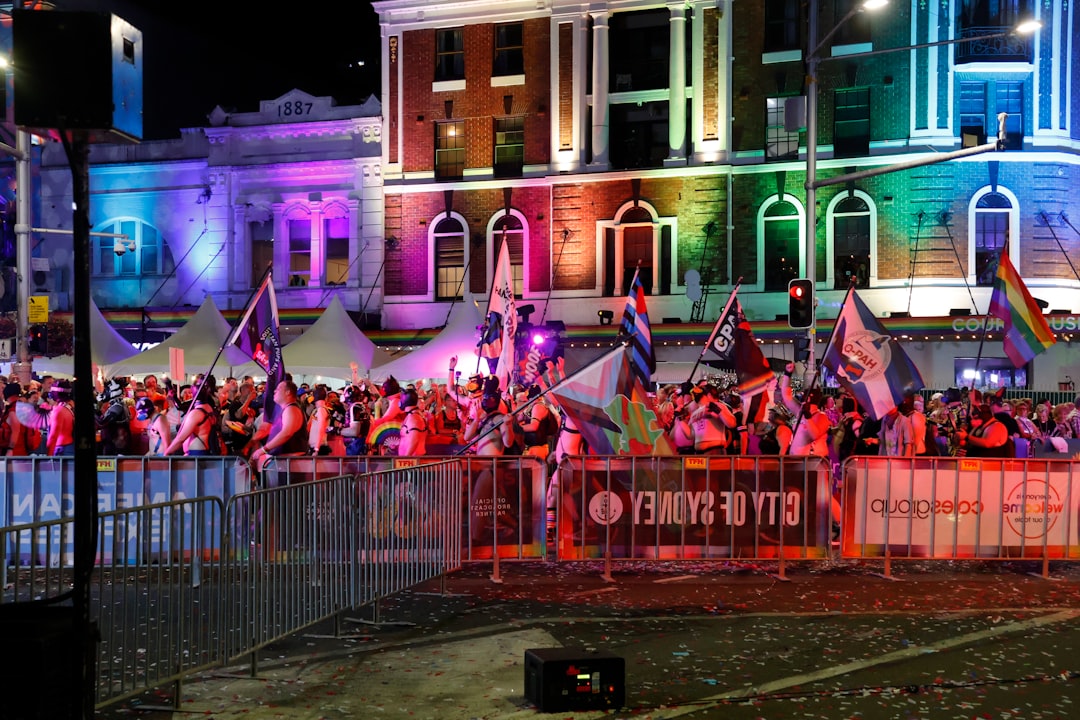
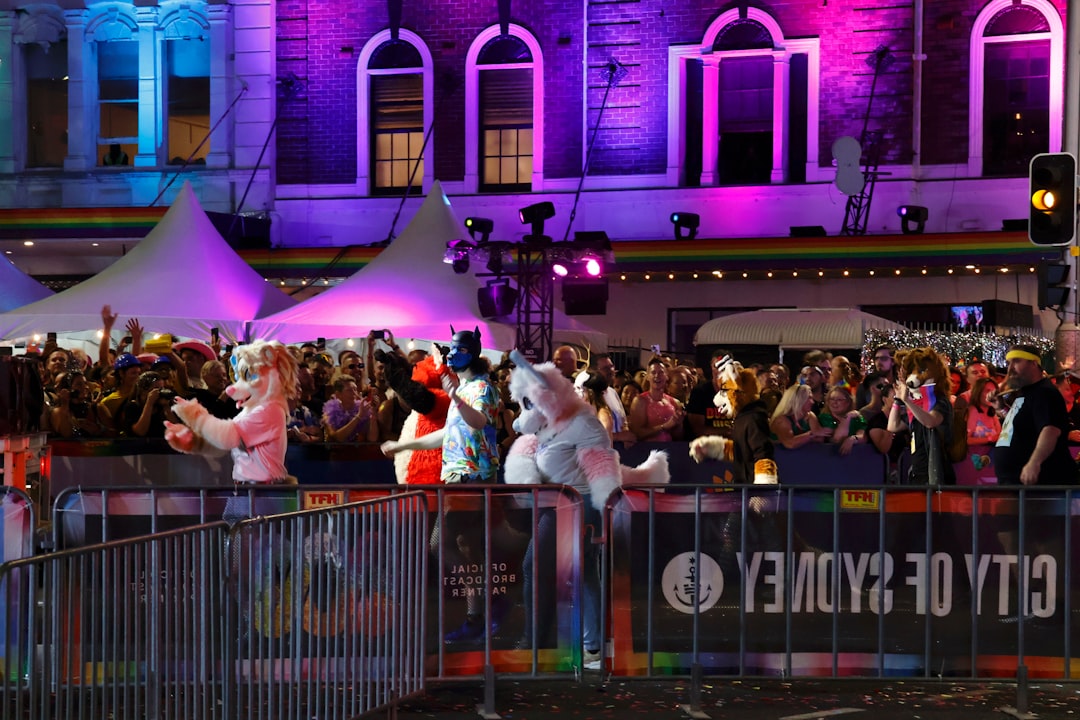
Amsterdam Pride happens the first weekend of August. The Canal Parade on Saturday afternoon is the city's signature event—80 decorated boats sail through the canal ring (primarily Prinsengracht) while hundreds of thousands line the canals. It's uniquely Amsterdam: a Pride on water.
Pride & Events
Pride week also includes:
- Drag Olympics at Vondelpark
- Pride Walk (the political march) on Saturday morning
- Pink Saturday after-parties across the city
- Roze Filmdagen (Pink Film Days) in March
King's Day on April 27 is also a hugely gay-popular event. The national holiday celebrating King Willem-Alexander's birthday turns the entire city into a street party, with Reguliersdwarsstraat one of the most intense focal points.
Saunas and play
Amsterdam has several established gay saunas, mostly along Kerkstraat. Sauna Nieuwezijds and Sauna Fenomeen are the older establishments. Sameplace is a hetero/mixed sex club with gay-specific nights.
Amsterdam's gay scene includes a strong leather and fetish culture. The Eagle, Cuckoo's Nest, and various circuit-party events serve this community year-round.
Where to stay
Stay in the canal ring (Grachtengordel) for the postcard Amsterdam experience and walking access to all gay clusters. Amistad Hotel on Kerkstraat is the city's flagship gay-marketed boutique hotel. Hotel Nadia and several smaller B&Bs are explicitly gay-friendly. Most central canal-house boutique hotels welcome same-sex couples without comment.
The Pulitzer and The Toren are upmarket canal-house properties. Conservatorium is the modern luxury option. Budget travelers will find good hostels around Vondelpark and in De Pijp.
Food and culture
Dutch cuisine is modest, but Amsterdam's restaurant scene is excellent. Brouwerij 't IJ (a microbrewery under a windmill) is a good stop. Cannibal Royale, Restaurant De Kas (greenhouse fine dining), and the Indonesian rijsttafel restaurants around Spuistraat are standouts.
Beyond food: Rijksmuseum, Van Gogh Museum, Anne Frank House (book ahead), Stedelijk Museum. The Homomonument on Westermarkt—the world's first memorial to LGBTQ+ persecution—and the nearby IHLIA LGBT Heritage are essential queer-history stops.
Day trips
Haarlem (20 min by train) is Amsterdam's smaller, prettier sibling city. Zaanse Schans has the windmills you're probably picturing. Keukenhof gardens (April-May only) are for tulips. Utrecht has a student and queer scene. The Hague is for government and the Mauritshuis museum.
Safety and practicalities
Amsterdam is among the safest LGBTQ+ destinations in the world. Affection in public genuinely goes unnoticed. The main practical hazards: bicycles (Dutch cyclists move fast and don't yield), and pickpockets in tourist-heavy areas (Red Light District, Centraal Station, Dam Square).
Amsterdam's gay scene is more low-key than Berlin or Madrid—fewer mega-parties, more cozy bars and conversation. Plan accordingly if you're looking for an intense weekend versus a relaxed long break.
When to visit
The first weekend of August for Canal Pride is peak—book months ahead. April 27 (King's Day) is the other huge weekend. April–June has tulips, mild weather, and longer days. September–October is also pleasant. November–February is grey and damp, but the indoor scene runs full, and Christmas markets are nice.


 حانات ونوادٍ مثلية
(3)
⭐ مميز
حانات ونوادٍ مثلية
(3)
⭐ مميز