Guia de viagem
Tudo o que vale saber antes de ir.
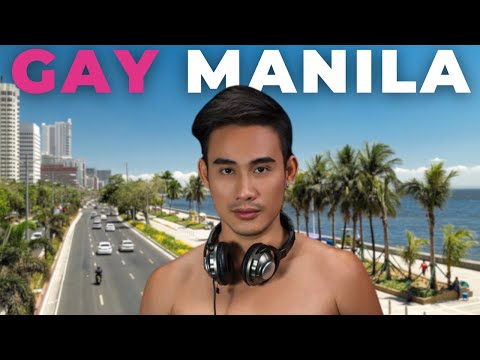
The Philippines has a complicated relationship with LGBTQ+ rights. Same-sex relationships aren't illegal, but the country lacks comprehensive anti-discrimination laws or marriage equality. Still, Filipino culture has often shown an unexpected acceptance of gender nonconformity. Manila’s queer community has built a scene that's both underground and increasingly visible, particularly in entertainment, nightlife, and creative fields. Drag, for instance, runs deep in Filipino entertainment, and many mainstream celebrities are openly LGBTQ+ or cross-dress publicly.
Manila’s modern gay scene took off in the 1980s, with bars and clubs becoming crucial gathering spots when legal protections were nonexistent. Today, the scene is more out in the open, though attitudes vary by neighborhood and demographic. Manila's queer population includes both highly visible drag queens and entertainers, and quieter, less public groups.
Key Neighborhoods
Malate is the traditional center of Manila’s gay district. It sits in an older part of the city, near Manila Bay, and has hosted gay bars, clubs, and entertainment venues for decades. Walk its streets, and you'll run into plenty of gay-oriented spots, from casual bars to dance clubs. Parts of the area feel a bit gritty and worn, but it's still culturally important and active.
Quezon City, Metro Manila's business and cultural hub, has become a growing center for LGBTQ+ life. Younger queer people gather here. Shopping malls feel LGBTQ+-friendly, and some bars and clubs cater to a more upscale or younger crowd. Quezon City also has major universities and cultural institutions, which contribute to a more progressive vibe.
Makati, the financial district, has a few upscale bars and restaurants with LGBTQ+ regulars, but it’s not really a gay neighborhood. It's more where professionals go to socialize.
Venues and Nightlife
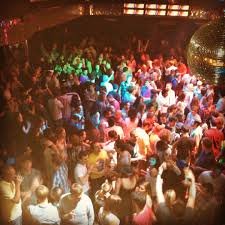
Manila’s nightlife is all about drag shows. You'll find performances every night at different venues, not just on specific nights or in certain clubs. Bars often feature multiple drag performers throughout an evening; drag here is mainstream entertainment. That sets Manila apart from many other cities where drag feels compartmentalized.
Specific gay venues in Manila change often—bars open and close. To get current info on popular spots and shows, check recent gay travel guides, local LGBTQ+ social media groups, or apps like Grindr or Hornet. Local Facebook groups focused on Manila’s LGBTQ+ scene are often the best source for what’s happening right now.
You'll find saunas in Manila, especially in Malate. Verify specific names and operating hours with current sources. Many are Thai-style saunas that serve a mixed clientele.
Pride and Events
Manila Pride happens every June. It usually includes street celebrations, parades, and cultural events. It's not as big as Pride events in Western cities, but it draws significant crowds and has become more visible over the years. The parade typically moves through areas like Quezon City and Malate.
Beyond Pride, LGBTQ+ cultural events pop up all year, including film festivals, theater performances, and community gatherings. The queer community is deeply woven into Manila's entertainment and arts scenes.
Where to Stay
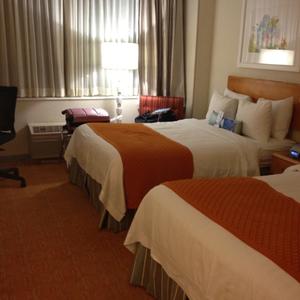
Malate has the most LGBTQ+-specific accommodations and is walkable to many gay venues. Hotels and guesthouses here cater to gay travelers and tend to be affordable. The neighborhood feels a bit aged and worn, but it offers convenience and community.
Quezon City has more modern accommodations and a younger atmosphere, though you'll need ride-sharing or public transit to get to gay venues. This area suits those who prefer a cleaner, more contemporary feel.
Makati has upscale hotels if your budget allows. Hotels in these business districts are convenient for exploring the broader city but less integrated into gay nightlife.
Arrivals and Transit
Ninoy Aquino International Airport (formerly Manila International Airport) serves Manila and is fairly close to the city center. From there, you can take official airport taxis, use ride-sharing apps like Grab (Southeast Asia’s Uber), or arrange hotel pickups.
Within the city, Grab is the easiest ride-sharing option and widely used. It's much cheaper than traditional taxis and safer for visitors who don't know the city. The Metro Manila train system (LRT and MRT) covers some areas but not all neighborhoods. Regular taxis can be unreliable for tourists unfamiliar with the language.
Safety Considerations
Manila is a big city with typical urban safety concerns. Crime happens, especially in certain areas and at night. Malate, while a gay hub, is an older neighborhood. Visitors should take usual city precautions: don't flash expensive items, stay aware of your surroundings, and use reliable transport (Grab) instead of hailing taxis. Petty theft and scams targeting tourists do occur.
For LGBTQ+ travelers specifically, physical safety based on sexual orientation or gender identity isn't usually a major concern in Malate or other tourist areas, especially for foreign visitors. Filipino culture tends to accept gender nonconformity and foreign queerness. However, same-sex couples should be discreet in less progressive parts of the city and outside Manila entirely.
Food
Filipino food is varied, flavorful, and cheap. Adobo (meat in vinegar and soy sauce), sinigang (sour soup), and lechon (roasted pig) are classic dishes. Street food is everywhere and generally safe if you buy from busy, popular vendors. Malls in Quezon City and Makati have huge food courts with diverse cuisines at low prices. Restaurants range from dirt-cheap hole-in-the-wall spots to fancy international dining. The gay areas have plenty of casual eating options popular with both locals and tourists.
Day Trips and Nearby Activities
Intramuros, Manila’s historic walled Spanish colonial district, has old churches, museums, and atmospheric streets. It’s walkable or a short ride from downtown. Rizal Park, a large urban park, offers green space and monuments.
Tagaytay, a cooler mountain city about 2 hours from Manila, is a popular weekend getaway. It has cooler temperatures, restaurants with city views, and a more relaxed atmosphere.
The Chocolate Hills and other spots in the Visayas islands are just a short flight from Manila.
Boracay, a famous beach island, is about 1 to 1.5 hours by flight from Manila. You’ll find beaches, water sports, and resort accommodations there.
Advice for Visitors
Manila rewards travelers who are curious and willing to engage with its chaos and unique character. The LGBTQ+ community here is creative and generally welcoming to visitors. You'll find great value for money, amazing nightlife, welcoming locals, and a queer scene that feels truly Filipino, not just a copy of Western gay tourism.
Learning a few basic Tagalog phrases ("mabuhay" for cheers, "maraming salamat" for thank you) goes a long way with locals. Download Grab and Google Maps with offline features, and carry some Philippine peso cash, though cards are increasingly accepted.
The dry season (November to May) offers the best weather for a visit. The monsoon/rainy season (June to October) is when Manila Pride happens, so timing depends on whether you want to experience Pride specifically.