 Albania
  Andorra
  Armenia
  Austria
  Azerbaijan
  Belarus
  Belgium
  Bosnia & Herzegovina
  Bulgaria
  Croatia
  Cyprus
  Czech Republic
  Denmark
  Estonia
  Finland
  France
  Georgia
  Germany
  Greece
  Hungary
  Iceland
  Ireland
  Italy
Italy  Kosovo
  Latvia
  Liechtenstein
  Lithuania
  Luxembourg
  Malta
Malta  Moldova
  Monaco
  Montenegro
  Netherlands
  North Macedonia
  Norway
  Poland
  Portugal
  Romania
  Russia
  San Marino
  Serbia
  Slovakia
  Slovenia
  Spain
Spain  Sweden
  Switzerland
  Turkey
  Ukraine
  United Kingdom
  Vatican City
  Bahamas
  Barbados
  Belize
  Canada
  Costa Rica
  Cuba
Cuba  Dominican Republic
  El Salvador
  Guatemala
  Haiti
Haiti  Honduras
  Jamaica
  Mexico
  Nicaragua
  Panama
  Puerto Rico
  Trinidad & Tobago
  United States
  Algeria
  Angola
  Botswana
  Cabo Verde
  Cameroon
  DR Congo
  Egypt
Egypt  Ethiopia
  Gabon
Gabon  Ghana
Ghana  Ivory Coast
  Kenya
Kenya  Lesotho
  Madagascar
  Malawi
  Mauritius
  Morocco
  Mozambique
  Namibia
  Nigeria
  Rwanda
  Senegal
  Seychelles
  Sierra Leone
  South Africa
  Sudan
Sudan  Tanzania
  Tunisia
  Uganda
  Zambia
  Zimbabwe
  Afghanistan
  Australia
  Bangladesh
  Brunei
  Cambodia
  China
China  Fiji
Fiji  Hong Kong
  India
India  Indonesia
  Iran
Iran  Iraq
Iraq  Israel
  Japan
Japan  Jordan
  Kazakhstan
  Laos
Laos  Lebanon
  Malaysia
  Maldives
  Mongolia
  Myanmar
  Nepal
Nepal  New Zealand
  Pakistan
  Papua New Guinea
  Philippines
  Qatar
Qatar  Saudi Arabia
  Singapore
  South Korea
  Sri Lanka
  Taiwan
  Thailand
  United Arab Emirates
  Uzbekistan
  Vietnam
  Argentina
  Bolivia
  Brazil
  Chile
Chile  Colombia
  Ecuador
  French Guiana
  Guadeloupe
  Guyana
  Martinique
  Paraguay
  Peru
Peru  Suriname
  Uruguay
  Venezuela
Two cities in one
Berlin's gay scene splits roughly into two areas that feel almost nothing alike. Schöneberg, specifically the blocks around Motzstrasse and Fuggerstrasse near Nollendorfplatz, is the older district. It has been a gay neighbourhood since the 1920s. The bars here are comfortable, unpretentious, and mixed in age. A lot of older locals, a lot of regulars who have been going to the same bar for fifteen years. It quiets down earlier than the rest of the city.
Kreuzberg and Mitte are something else. This is where the clubs are, where the international party crowd concentrates, and where the line between gay and queer and just-not-straight gets deliberately blurry. The energy here runs later. Much later. Some clubs do not open until 2am and run until Monday morning.
Neither area is better. They suit different trips and different moods. Most people end up spending time in both.
The club reputation
Berlin's techno club scene is genuinely one of a kind in Europe, and a significant part of it is gay or gay-adjacent. Berghain is the obvious name, but it functions more as a cultural institution than a regular night out. The door policy is real and unpredictable. Dress dark, do not go in a large group, do not use your phone while queueing. The club runs from Friday night through to Monday morning on a good weekend. Panorama Bar upstairs has a different sound and slightly warmer atmosphere than the main floor. Getting in is not guaranteed no matter who you are.
KitKatClub and SchwuZ are more consistently accessible and worth knowing. Several other venues run weekly gay nights that do not advertise much beyond local knowledge and Telegram channels.
One practical note: clubs here operate on cash. ATMs inside venues charge high fees. Bring cash before you go.
Bars
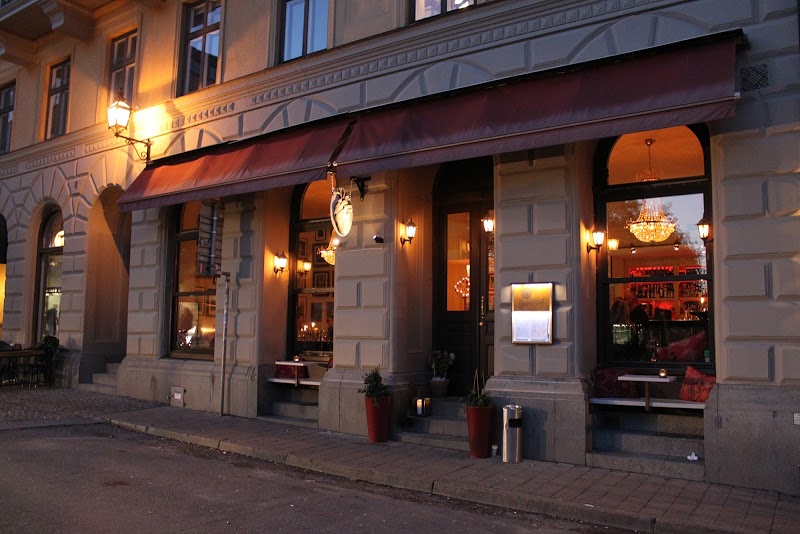
The Schöneberg bar strip on Motzstrasse and Fuggerstrasse is genuinely easy to navigate. You can walk from one end to the other in ten minutes and try several places in an evening. Most open in the late afternoon and stay open until 2 or 3am. Some keep going longer on weekends.
Bars worth knowing: [ipsə], Admiralspalast Berlin, Ajpnia e.V., Alte Münze Berlin, Arena Club, Ballsbridge, Bar Saint Jean, Bar Voyage, Barbie Deinhoff, BarbieBar, Barenhohle, Berghain Club, Besenkammer-Bar, [venue:betty-f*-bar-1915], Bi Nuu
The Kreuzberg bar scene is more scattered but rewards effort. Several venues here have bar areas that transition into club spaces after midnight. For a quieter drink, Schöneberg is the obvious pick. For something that goes somewhere, head east.
Saunas
Berlin's gay saunas are larger and better-equipped than most comparable cities in Europe. Some are effectively full-day leisure centres. Pricing is reasonable — generally cheaper than Amsterdam or Paris. Sessions have no fixed time limit. The busiest periods tend to be weekend afternoons and Sunday evenings.
Sauna options: Der Boiler, Gate Sauna
Hotels
For easy access to the Schöneberg scene, stay near Nollendorfplatz. The U-Bahn connection from there covers most of Berlin in under 30 minutes. Budget accommodation in Berlin is genuinely cheap by Western European standards. A decent hotel in a central neighbourhood costs noticeably less than equivalents in London or Paris.
Gay-friendly options: Air In Berlin Hotel, aletto Kudamm, Arco City Hotel, Arte Luise Kunsthotel, ArtHotel Connection, ArtHotel Connection3 stars, Artim Hotel, Axel Hotel Berlin
Events
Berlin Pride (Christopher Street Day) happens in late June and draws over a million people. It is one of the largest Pride events in Europe. The parade route goes through the centre of the city and the surrounding street parties run for several days around it. Folsom Europe, a leather and fetish street fair, takes place in September in Schöneberg. Both are worth planning around if they align with your trip.
Gay Pride & CSD Berlin 2026, Folsom Europe Berlin 2026, Berlin Leather & Fetish Week 2026Practical notes
- Cash: Clubs almost universally require it. Some bars still prefer it. Bring more than you think you need.
- Cost: Berlin is cheap relative to Western European capitals. A beer at a Schöneberg bar costs €4–6. Club entry varies from €10 to €25 depending on night and venue.
- Transport: The U-Bahn and S-Bahn run all night on weekends. The U1 and U2 lines serve Schöneberg and connect to the rest of the city. Buy a 24-hour or 48-hour ticket.
- Language: English works everywhere in the gay scene without issue.
- Berghain dress code: Black tends to work. Anything that reads as tourist or mainstream club is a bad idea. No photos inside, ever.
FAQ
What are the two main gay areas in Berlin?
Schöneberg (around Nollendorfplatz, Motzstrasse, Fuggerstrasse) is the traditional gay district with bars and a neighbourhood feel. Kreuzberg and Mitte are where the clubs and younger international scene concentrate. Both are worth visiting for different reasons.
How do you get into Berghain?
There is no guaranteed method. Go alone or in a small group of two, dress darkly, do not talk loudly in the queue, do not look at your phone, and do not explain what you are there for. The door policy is subjective and inconsistent. Plenty of people who do everything right still get turned away.
Is Berlin expensive for gay travellers?
No. Berlin is one of the cheaper major cities in Western Europe. Hotels, food, and bar prices are noticeably lower than Amsterdam, London, or Paris. Club entry can add up over a weekend but individual prices are reasonable.
When is Berlin Pride?
Christopher Street Day (Berlin Pride) takes place in late June. The parade draws over a million participants and spectators, making it one of the largest Pride events in Europe. Book accommodation well in advance if you plan to attend.
Do Berlin clubs really require cash?
Yes. Most clubs, especially the techno venues, are cash-only at the door and at the bar. ATMs inside venues charge significant fees. Withdraw cash before arriving — there are bank machines throughout Kreuzberg and Schöneberg.