





Madrid: The Gay Neighborhood That Actually Works
Madrid doesn't need to sell itself. Spend a weekend in Chueca and you'll understand. This isn't just a pink triangle on a tourist map; it's a neighborhood where people live. They shop, eat lunch, walk dogs, argue about football, and, yes, go out until 6 AM on a Saturday.
What Makes Chueca Different
The density is real, and it matters. Between Calle Pelayo, Calle Gravina, Calle Hortaleza, and the streets around Plaza de Chueca, you'll find more gay bars, saunas, shops, and community groups per square meter than almost anywhere else in Europe. This isn't an overstatement. You can leave a leather bar, grab a coffee at a terrace café, buy a jockstrap at a sex shop, and be back for aperitivo without walking down the same street twice.
What keeps it going day-to-day is that it hasn't become a museum piece. Chueca gentrified hard through the 1990s and 2000s, pushing some older residents out, but the gay infrastructure stayed. The bars are still there. The saunas still operate. Community events still happen in the plaza. And because the neighborhood is so dense and walkable, you actually run into people. Often. That's rare.
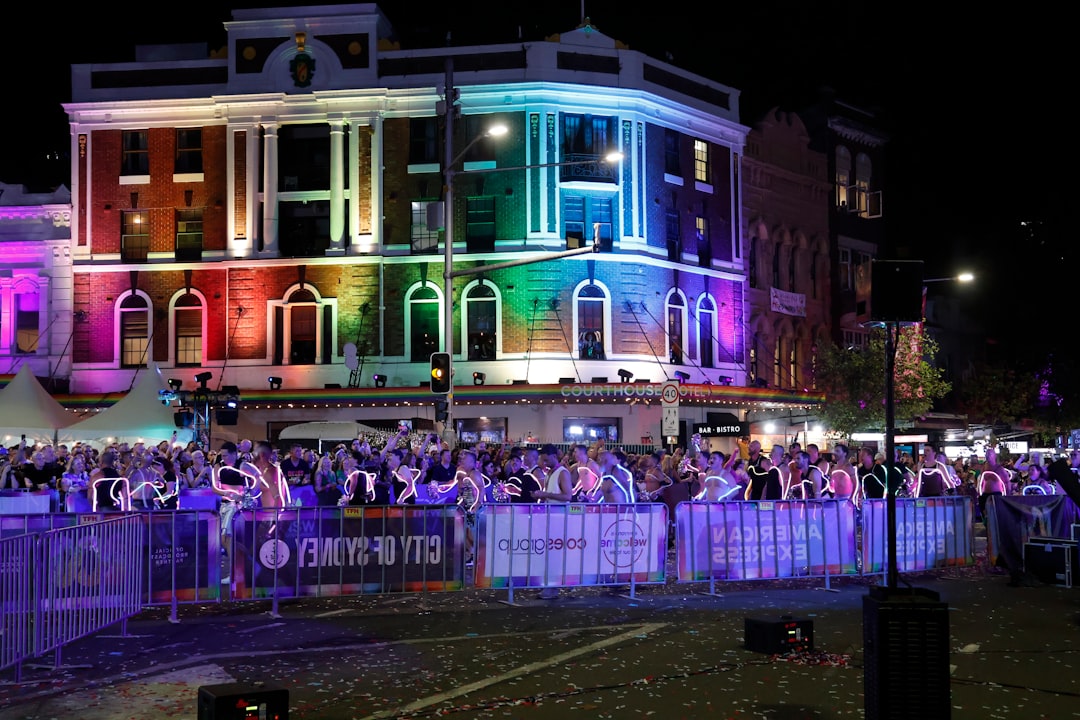
A Thursday night in summer is something else: terraces spill onto the pavement, music comes from several directions, men in various states of undress sit on steps outside the supermarket, couples eat dinner with their windows open. It feels lived-in, not staged.
The Geography: Where to Go
Chueca is the heart of it. It sits in central Madrid, roughly bordered by Gran Vía to the south, Alonso Martínez to the north, Paseo de Recoletos to the east, and Fuencarral to the west. Everything's walkable. Metro Chueca (line 5) drops you right in the middle.
Malasaña shares a border with Chueca along Fuencarral. It's younger, more mixed, less explicitly gay but increasingly queer. Bars here lean indie, punk, and alternative. If Chueca is the established scene, Malasaña is where people who find Chueca too mainstream tend to end up after midnight. There's some overlap.
Lavapiés, further south toward the Rastro flea market, has a growing trans and queer art scene. It's more activist, more international, more DIY. You'll find queer theater nights, political cafés, and community events in spaces that don't look like gay venues from the outside. Worth checking out if you're staying more than a few days.
Where to stay: Chueca itself is perfect if you want to walk everywhere. Hotels right around Plaza de Chueca put you in the thick of things. Malasaña and Sol are also good bases, each ten minutes' walk. Avoid anything called "central" that's actually near Barajas airport.
Best Time to Visit
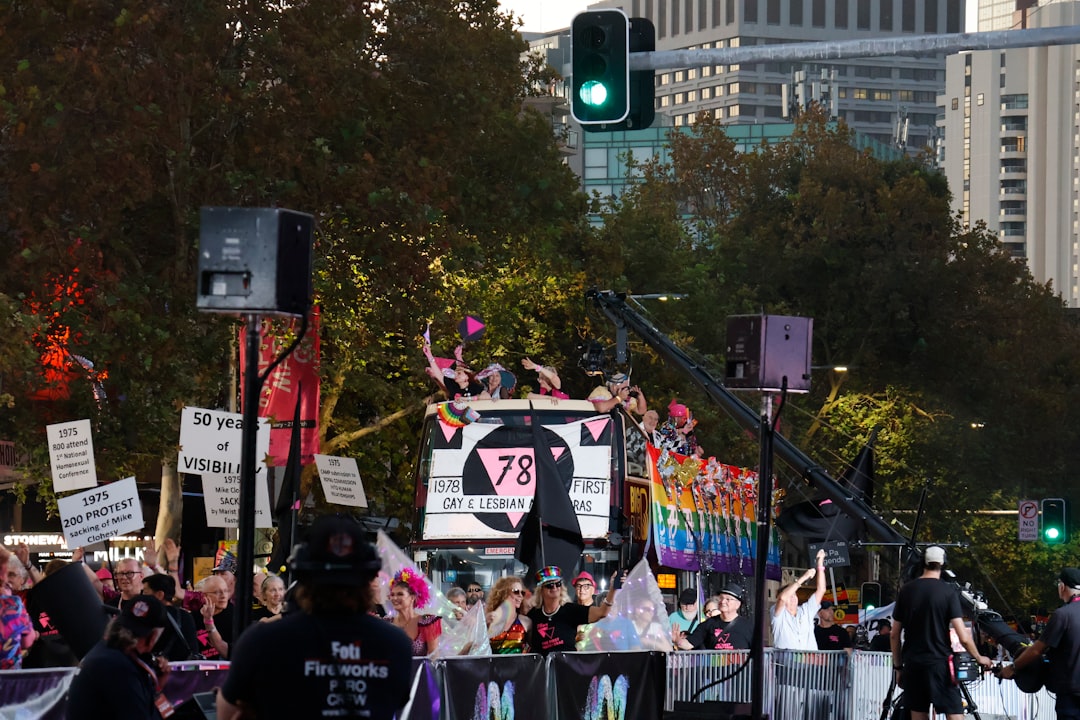
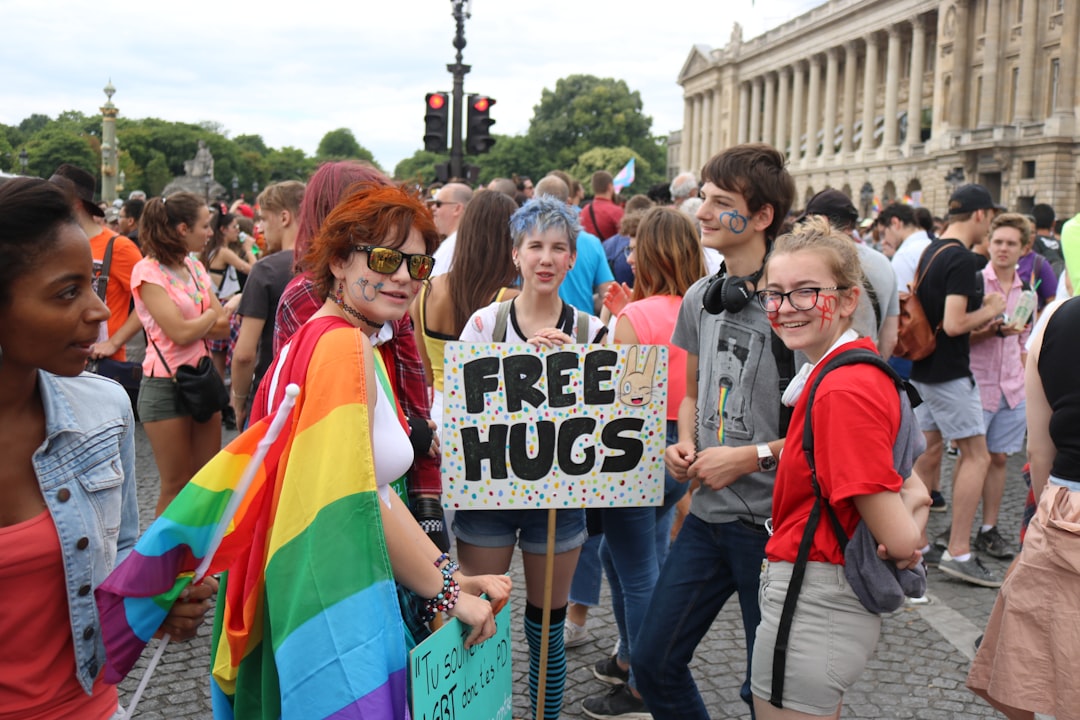
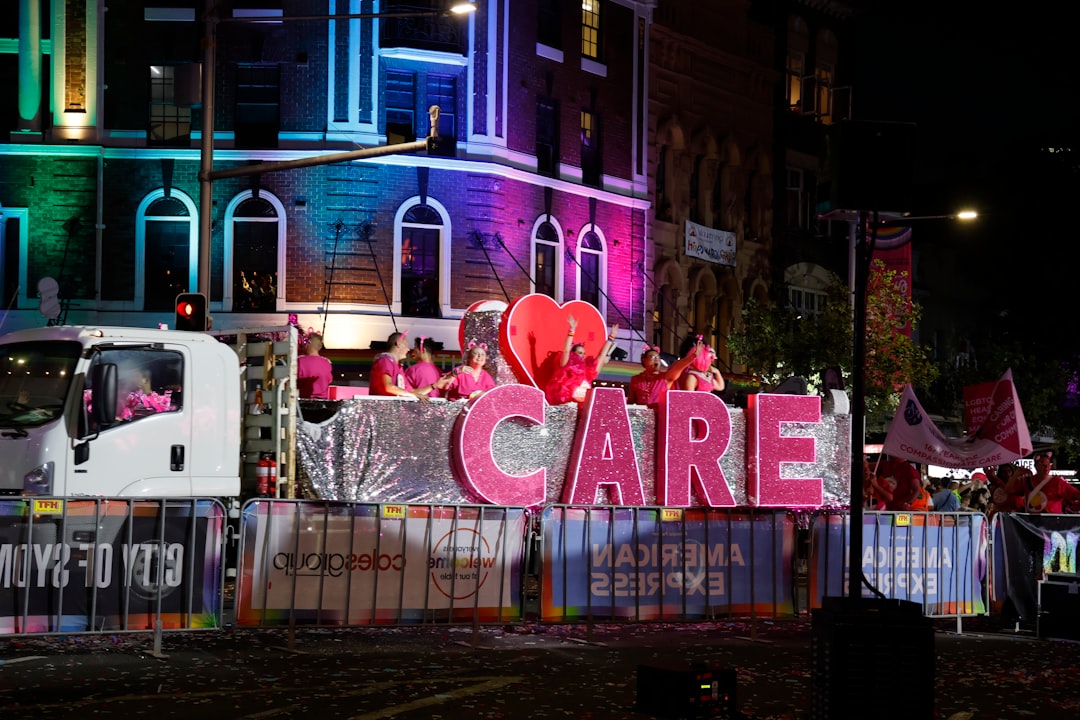
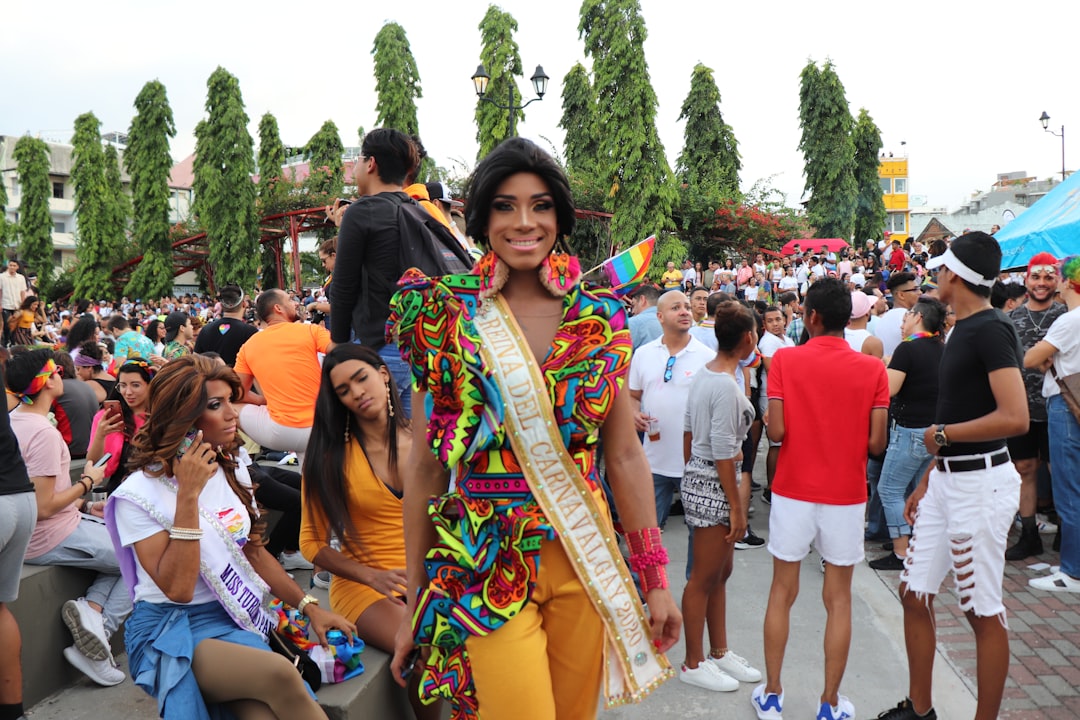
June is Pride month, and WorldPride 2017 left its mark. That year, 3.5 million people came, cementing Madrid as Europe's Pride capital. The current June Pride (Orgullo) still draws huge numbers; the Saturday parade down Paseo del Prado is genuinely spectacular, and parties go on for two weeks. Downsides: accommodation prices double, Chueca gets so packed it's hard to move, and the heat in late June is serious. 35°C is normal. Outdoor events are fine if you're ready for it; bar queues in that heat are less fun.
May and September/October are the sweet spots. The weather's warm but not brutal (20-28°C), terraces are open, and you can actually get into bars without fighting a crowd three deep. October especially: the summer visitors are gone, prices drop, and the neighborhood feels like itself again.
Winter is underrated. Madrid gets cold (single digits at night in January) but rarely miserable. The bar scene moves indoors, which suits the city's late culture. Locals go out just as much. Tourism thins significantly.
Bars
Attack Baila, Cariño Bambalinas Baranoa Be Yourself Bearbie Bears BarBoite
boyberry Madrid
Copper - closed
The bar scene in Chueca splits between early-evening terraces that close by 2 AM and after-midnight spots that don't open until 11 PM. Plan accordingly. Thursday through Sunday are the busy nights; Monday and Tuesday are quiet, even for Madrid.
Most bars are small. The ones on Calle Pelayo and around Plaza de Chueca are standing-room, terrace-focused places where you drink outside as long as the weather permits. If you want a seat, arrive early or expect tables to be taken by 10 PM.
Saunas
Madrid's sauna culture is serious. The saunas here are large, well-kept, and busy. They're a core part of the scene, not a fringe element. Some are open around the clock and active at any hour.
Premium Sauna
Sauna Center
Sauna Cristal (closed)
Sauna Lavapies
Sauna Octopus
Sauna Principe
Sauna Puerta de Toledo
Most saunas in Chueca are within ten minutes of each other. Expect steam rooms, dry saunas, darkrooms, cabins, a bar or café, and lockers. Many have pools. Day rates are cheap for Western Europe. Towels are usually provided.
Hotels
7 Islas Hotel Madrid
AC Hotel Aitana
AC Hotel Los Vascos
AC Hotel Madrid Feria
AC Hotel Recoletos
Apart-hotel Serrano Recoletos
Gay Hostal Puerta del Sol Madrid
Hostal La Zona
Hostal Pizarro
OIrealtor
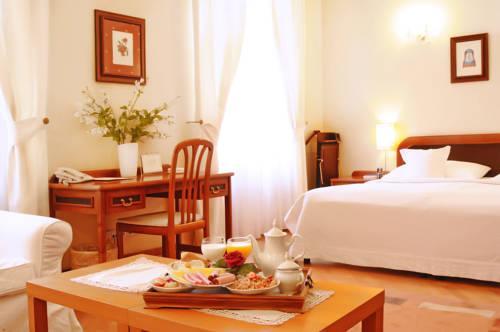
Most gay-friendly accommodation in Madrid is in Chueca and its surrounding streets, which is where you'll want to be. Booking ahead for Pride is crucial; rooms disappear months in advance.
Shops
Chueca has a concentration of gay-specific shops: sex shops, leather gear, fetish wear, and the usual rainbow merchandise, plus some genuinely good independent boutiques. Most are along Calle Pelayo, Calle Gravina, and the streets immediately off them.
Cruising
Casa de Campo is Madrid's outdoor cruising area. It's a large park west of the city, accessible by metro (Lago or Batán on line 10). Cruising is in the wooded areas near Lago. It operates at night and into the early morning. It's large, well-known, and has been open for decades. Go prepared, be aware of your surroundings, and check current local advice because police presence varies.
Beyond Casa de Campo, some of the saunas listed above have darkroom facilities for indoor cruising. The sex shops in Chueca occasionally have video cabins.
Madness - Closed
Upcoming Events
Madrid Gay Pride / Orgullo 2026 — 25 Jun 2026 – 05 Jul 2026
Madrid Gay Pride / Orgullo 2027 — dates TBA
Madrid Pride (WorldPride Madrid) — dates TBA Madrid Pride (WorldPride Madrid)
Getting Around
The Madrid metro is excellent. It's clean, reliable, and runs until 1:30 AM on weekdays and 2:30 AM on weekends (extended during Pride). Line 5 stops directly at Chueca. Line 10 takes you to Casa de Campo. The network covers the whole city.
Within Chueca, walk. Everything's close. The neighborhood is flat enough that even after a long night, you won't suffer. Taxis and Cabify/Uber work well at any hour for getting back to accommodation in other parts of the city.
Practical Info
- Language: Spanish. English is spoken in most bars and tourist-facing venues, less so in everyday shops and local cafés. A few words of Spanish help a lot.
- Currency: Euro. Cards are accepted almost everywhere, though some small bars are cash only.
- Safety: Chueca is very safe, even at night. Standard city awareness applies.
- Smoking: Common on outdoor terraces. Banned indoors since 2011.
- Eating times: Madrileños eat late. Lunch is 2-4 PM, dinner rarely before 9 PM. Kitchens close later than you'd expect. Don't arrive at a restaurant at 7 PM expecting it to be busy.
- Tipping: Not mandatory. Rounding up or leaving a euro or two is normal at bars; 5-10% at restaurants if service was good.
- Airport: Barajas (MAD) is well connected by metro (line 8) and Cercanías trains. Budget 30-40 minutes to Chueca.
FAQ
Is Madrid safe for gay travelers?
Yes, very. Spain has had marriage equality since 2005, and Madrid is one of Europe's most gay-friendly cities. Public displays of affection are common in Chueca and generally fine across the city. As in any major city, read the room in areas outside the center.
Do I need to speak Spanish?
Not really for the tourist circuit. Most bar and hotel staff in Chueca speak adequate English. But Madrid isn't Amsterdam or Berlin, where English is nearly universal. In restaurants, markets, and off the main drag, basic Spanish is genuinely useful.
When is WorldPride / Orgullo?
Madrid Pride (Orgullo) runs for about two weeks, centered on the last Saturday of June. The main parade is on that Saturday. Pride week proper, with the biggest parties, is the week immediately before the parade.
Is Chueca expensive?
Compared to London or Paris: no. Compared to smaller Spanish cities: yes. Beers at a bar run €3-5. A meal at a Chueca restaurant costs €20-35 per person with wine. Sauna entry is typically €10-20. Hotels in the neighborhood are mid-range by European capital standards.
What is the nightlife schedule?
Madrileños go out late. Pre-drinks at home until midnight, bars from midnight, clubs from 2 AM or later, home at dawn or not at all. If you arrive at a club before 1:30 AM, you'll be nearly alone. This isn't an exaggeration.
Are there gay beaches near Madrid?
Madrid is landlocked. The nearest beaches are about 4-5 hours away (Valencia, San Sebastián, Sitges). Sitges, 45 minutes from Barcelona by train, is Spain's dedicated gay beach town if that's what you're looking for. From Madrid, it's about 6 hours door-to-door.
What is the difference between Chueca and the rest of the Madrid scene?
Chueca is the historic and current center of everything. A handful of gay venues exist in other neighborhoods, but the critical mass, the community events, the visible gay life, and the infrastructure are all in Chueca. Go elsewhere to explore, but base yourself here.
Is Madrid good for leather and fetish?
Yes. The city has an established leather scene with dedicated bars and shops in Chueca. There are regular fetish nights, and several saunas cater explicitly to this crowd. The scene is smaller than Berlin's but active and unpretentious.