
 Albania
  Andorra
  Armenia
  Austria
  Azerbaijan
  Belarus
  Belgium
  Bosnia & Herzegovina
  Bulgaria
  Croatia
  Cyprus
  Czech Republic
  Denmark
  Estonia
  Finland
  France
  Georgia
  Germany
  Greece
  Hungary
  Iceland
  Ireland
  Italy
Italy  Kosovo
  Latvia
  Liechtenstein
  Lithuania
  Luxembourg
  Malta
Malta  Moldova
  Monaco
  Montenegro
  Netherlands
  North Macedonia
  Norway
  Poland
  Portugal
  Romania
  Russia
  San Marino
  Serbia
  Slovakia
  Slovenia
  Spain
Spain  Sweden
  Switzerland
  Turkey
  Ukraine
  United Kingdom
  Vatican City
  Bahamas
  Barbados
  Belize
  Canada
  Costa Rica
  Cuba
Cuba  Dominican Republic
  El Salvador
  Guatemala
  Haiti
Haiti  Honduras
  Jamaica
  Mexico
  Nicaragua
  Panama
  Puerto Rico
  Trinidad & Tobago
  United States
  Algeria
  Angola
  Botswana
  Cabo Verde
  Cameroon
  DR Congo
  Egypt
Egypt  Ethiopia
  Gabon
Gabon  Ghana
Ghana  Ivory Coast
  Kenya
Kenya  Lesotho
  Madagascar
  Malawi
  Mauritius
  Morocco
  Mozambique
  Namibia
  Nigeria
  Rwanda
  Senegal
  Seychelles
  Sierra Leone
  South Africa
  Sudan
Sudan  Tanzania
  Tunisia
  Uganda
  Zambia
  Zimbabwe
  Afghanistan
  Australia
  Bangladesh
  Brunei
  Cambodia
  China
China  Fiji
Fiji  Hong Kong
  India
India  Indonesia
  Iran
Iran  Iraq
Iraq  Israel
  Japan
Japan  Jordan
  Kazakhstan
  Laos
Laos  Lebanon
  Malaysia
  Maldives
  Mongolia
  Myanmar
  Nepal
Nepal  New Zealand
  Pakistan
  Papua New Guinea
  Philippines
  Qatar
Qatar  Saudi Arabia
  Singapore
  South Korea
  Sri Lanka
  Taiwan
  Thailand
  United Arab Emirates
  Uzbekistan
  Vietnam
  Argentina
  Bolivia
  Brazil
  Chile
Chile  Colombia
  Ecuador
  French Guiana
  Guadeloupe
  Guyana
  Martinique
  Paraguay
  Peru
Peru  Suriname
  Uruguay
  Venezuela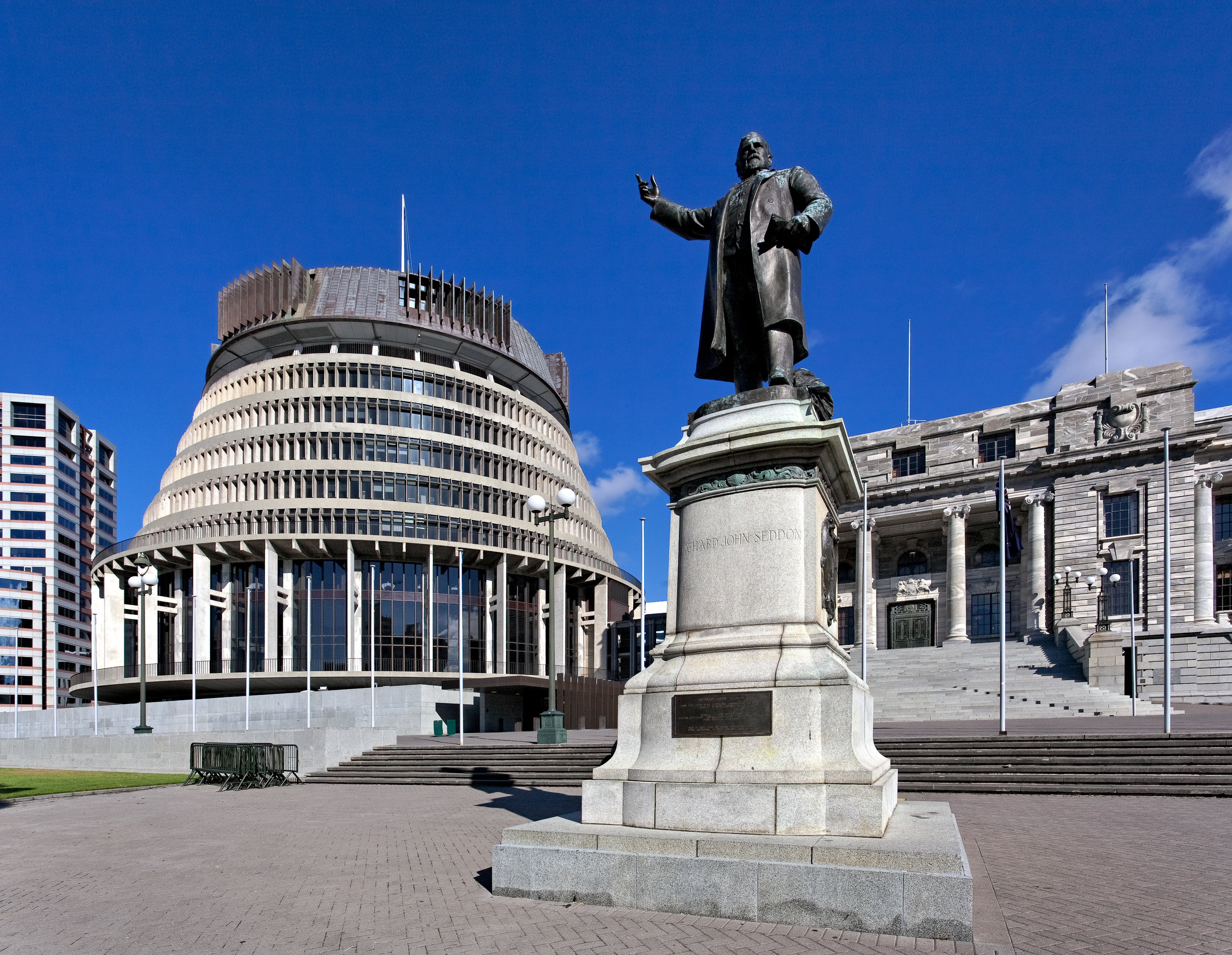
Cuba Street: the heart of Wellington's alternative scene
Wellington's cultural life is concentrated on and around Cuba Street, a pedestrianised strip running through the centre of the city from Courtenay Place in the south to the edge of the CBD in the north. Cuba Street is Wellington's equivalent of Melbourne's Brunswick Street or Auckland's K Road — a mixed alternative, arts, and independent hospitality strip that also functions as the de facto centre of the city's gay social life.
Cuba Street is not a gay quarter in the formal sense. There is no block of dedicated gay bars that constitutes a village. What exists is a street — and the several blocks around it, particularly Cuba Mall and the streets running off it — where LGBTQ+ bars, cafes, arts venues, and community organisations are woven into the general alternative fabric. The atmosphere is accepting and the assumption of welcome is accurate.
The Cuba Street area is compact and walkable. Wellington is a small city — the CBD can be crossed on foot in 20 minutes — and the concentration of gay-friendly life here reflects the general density of the city's inner area rather than any particular planning effort.
Wellington as the capital: politics and organisations
Wellington is New Zealand's capital and seat of government. Parliament — the Beehive, as it is colloquially known from the shape of the executive wing — sits at the top of Lambton Quay, a 15-minute walk from Cuba Street. The political character of the city shapes its social environment in ways that are visible. Wellington has a higher proportion of public servants, policy professionals, journalists, academics, and arts workers than other New Zealand cities, and this demographic tends toward the socially liberal end of the spectrum.
The practical effect for LGBTQ+ visitors is that Wellington has a higher concentration of LGBTQ+ organisations, advocacy bodies, and community infrastructure than its population size alone would generate. The organisations that do national-level LGBTQ+ advocacy in New Zealand tend to be Wellington-based, for the same reason that lobbying organisations in other countries are concentrated near their respective capitals. Rainbow Wellington, various health and community organisations, and advocacy groups operate here in a way they do not in Auckland.
The Beehive proximity is not just symbolic. Wellington's LGBTQ+ community has a history of direct engagement with the legislative process — the Homosexual Law Reform Act 1986 that decriminalised homosexuality in New Zealand was passed in Wellington, and the Marriage (Definition of Marriage) Amendment Act 2013 that brought marriage equality passed through the same Parliament building a few hundred metres from Cuba Street.
The physical reality: cold, windy, and worth it
Wellington has a reputation as one of the windiest cities in the world, and it is earned. The city sits at the southern tip of the North Island on a harbour exposed to the Cook Strait, and the wind that funnels through that strait hits Wellington with consistent force. There is a local joke that Wellingtonians develop strong calves from walking into the wind. It is only half a joke.
Rain is also frequent, particularly outside the summer months. Wellington summers (December to February) are the most reliable in terms of weather — warm, occasionally hot, with clear days that make the harbour and the hills around the city genuinely beautiful. Autumn (March to May) is pleasant. Winter (June to August) is cold by New Zealand standards, though mild by European or Canadian ones, and the wind makes it feel colder than the temperature alone suggests.
This is worth stating plainly for visitors planning a trip. Wellington rewards you for being there, but it does not make it easy. The city's culture — the bars, the cafes, the arts venues, the compact walkable centre — is calibrated for people who live with the weather rather than around it. The indoor hospitality culture is excellent, partly because the outdoor option is frequently unavailable.
A small but genuinely welcoming scene
Wellington's gay scene is smaller than Auckland's and much smaller than what you would find in Australian cities. With a city population of around 430,000 in the greater metropolitan area, the commercial gay infrastructure is limited. There are a handful of gay bars and gay-friendly venues, concentrated around Cuba Street, but no multi-venue strip and no dedicated gay neighbourhood in the residential sense.
What Wellington offers instead is a city-wide social attitude that is consistently open. The demographics here — younger, more educated, more arts and policy oriented — translate into a social atmosphere that is accepting in a way that is not always the case in cities with larger but more segmented gay scenes. A gay couple in Wellington does not stand out in the Cuba Street area or in most of the inner city.
Wellington Pride
Wellington Pride runs as a festival in February or March, timed around New Zealand's summer and running alongside Pride Auckland. The festival includes events across various venues in the city, community programming, and a parade or march through the city centre. As with Wellington's other arts events, the programming tends to be high-quality and community-connected rather than commercially focused.
Arts and culture
Wellington has a cultural density that punches above its weight for a city of this size. Te Papa Tongarewa, the national museum of New Zealand, is on the waterfront. Circa Theatre, Bats Theatre, and the Opera House are within a few minutes of Cuba Street. The New Zealand Festival of the Arts runs every two years. The film industry connection — Weta Workshop and the Peter Jackson productions are Wellington-based — gives the city a particular creative reputation.
For LGBTQ+ visitors interested in arts and culture, Wellington offers more per square metre than almost any city of comparable size in the world.
Bars
For the full breakdown, see the Wellington gay bars guide.
Saunas
See the Wellington gay saunas guide for details.
Hotels
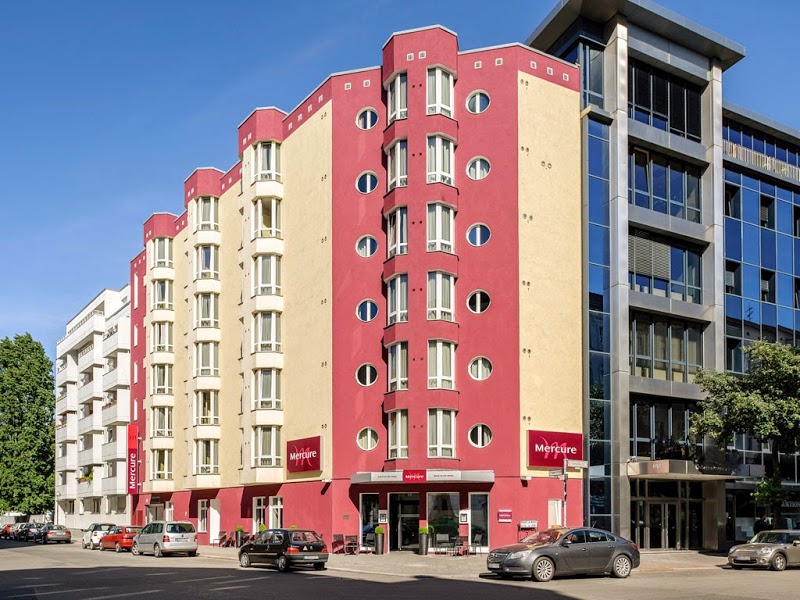
Wellington is compact enough that the location of your hotel matters less than in larger cities. Everything in the inner city is within walking distance. The CBD and the area around Cuba Street and Te Aro are the most practical bases.
- Bolton Hotel — Bolton Hotel is an elegant, boutique, 5-star hotel offering free WiFi on multiple devices and in-room iPad minis. Secure valet parking is available.
- CQ Quality Hotel Wellington — This modern 4 star property offers spacious hotel suites and apartments. CQ Quality Hotel Wellington features an indoor heated pool, spa pool and a fitness centre. Guests enjoy free WiFi.
- James Cook Hotel Grand Chancellor — James Cook Hotel is located in the heart of Wellington, just 500 metres from Lambton Harbour. It features a day spa, a fitness centre and a restaurant with harbour views. Guests can enjoy 500MB of free Wi-Fi per day.
- Getting there: Wellington Airport (WLG) is about 8km from the CBD. Bus or taxi/rideshare into the city — about 20 minutes. No central rail link from the airport.
- Transit: Wellington is walkable. The CBD is small and the inner suburbs are compact. Buses run well in the inner city. Walking is the primary mode for visitors.
- Weather: Windy year-round. Bring a wind and waterproof layer regardless of season. Summer is the most reliable; winter is cold and very windy.
- Cost: Slightly cheaper than Auckland for accommodation. Still expensive by regional standards.
- Best months: November to April. Summer (December to February) for the best weather.
Events
Check the events calendar for upcoming Wellington LGBTQ+ events.
Wellington Pride runs in February or March. The New Zealand Festival of the Arts runs biennially. Check current year's programming for both.
Practical notes
FAQ
Where is Wellington's gay scene?
Cuba Street and the surrounding blocks in the inner city. There is no dedicated gay quarter; LGBTQ+ bars and venues are woven into the street's general alternative character. The area is walkable from the CBD and from Parliament.
Why is Wellington important for LGBTQ+ rights in New Zealand?
As the capital, Wellington is where Parliament sits and where national LGBTQ+ legislation has been passed, including the Homosexual Law Reform Act 1986 and the Marriage Amendment Act 2013 that brought marriage equality. National LGBTQ+ advocacy organisations are also based here.
Is Wellington really that windy?
Yes. Wellington is consistently ranked among the windiest cities in the world. The wind off Cook Strait is a constant feature, particularly outside summer. A windproof jacket is genuinely necessary at any time of year.
How does Wellington's gay scene compare to Auckland's?
Smaller in scale — Wellington has about a quarter of Auckland's population. But Wellington's overall social atmosphere is very open, the arts scene is disproportionately strong for the city's size, and the concentration of LGBTQ+ organisations and community infrastructure is high for a capital city.
What is the best time to visit Wellington?
November to April. Summer (December to February) is the most reliable for weather. Wellington Pride runs in February or March. The New Zealand Festival of the Arts runs biennially and is worth timing around if the program aligns.