


Two cities in one
Berlin's gay scene splits into two areas that feel nothing alike. Schöneberg, around Motzstrasse and Fuggerstrasse near Nollendorfplatz, is the older district. It’s been a gay neighborhood since the 1920s. Bars here are comfortable, unpretentious, and mixed in age. You’ll find a lot of older locals, many regulars who’ve been coming to the same place for fifteen years. It quiets down earlier than the rest of the city.
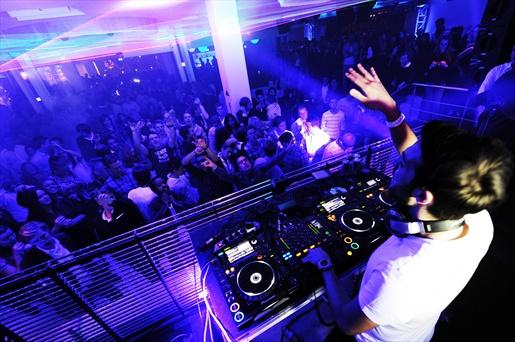
Kreuzberg and Mitte are different. This is where the clubs are, where the international party crowd concentrates, and where the line between gay, queer, and just-not-straight blurs. The energy here runs later. Much later. Some clubs don't open until 2am and run until Monday morning.
Neither area is "better." They suit different trips and different moods. Most people end up spending time in both.
The club reputation
Berlin's techno club scene is one of a kind in Europe, and a lot of it is gay or gay-adjacent. Berghain is the obvious name, but it's more a cultural institution than a regular night out. The door policy is real and unpredictable. Dress dark. Don't go in a large group. Don't use your phone while queuing. The club runs from Friday night through to Monday morning on a good weekend. Panorama Bar upstairs has a different sound and slightly warmer atmosphere than the main floor. Getting in isn't guaranteed, no matter who you are.
KitKatClub and SchwuZ are more consistently accessible and worth knowing. Several other venues run weekly gay nights that don't advertise much beyond local knowledge and Telegram channels.
One practical note: clubs here operate on cash. ATMs inside venues charge high fees. Bring cash before you go.
Bars
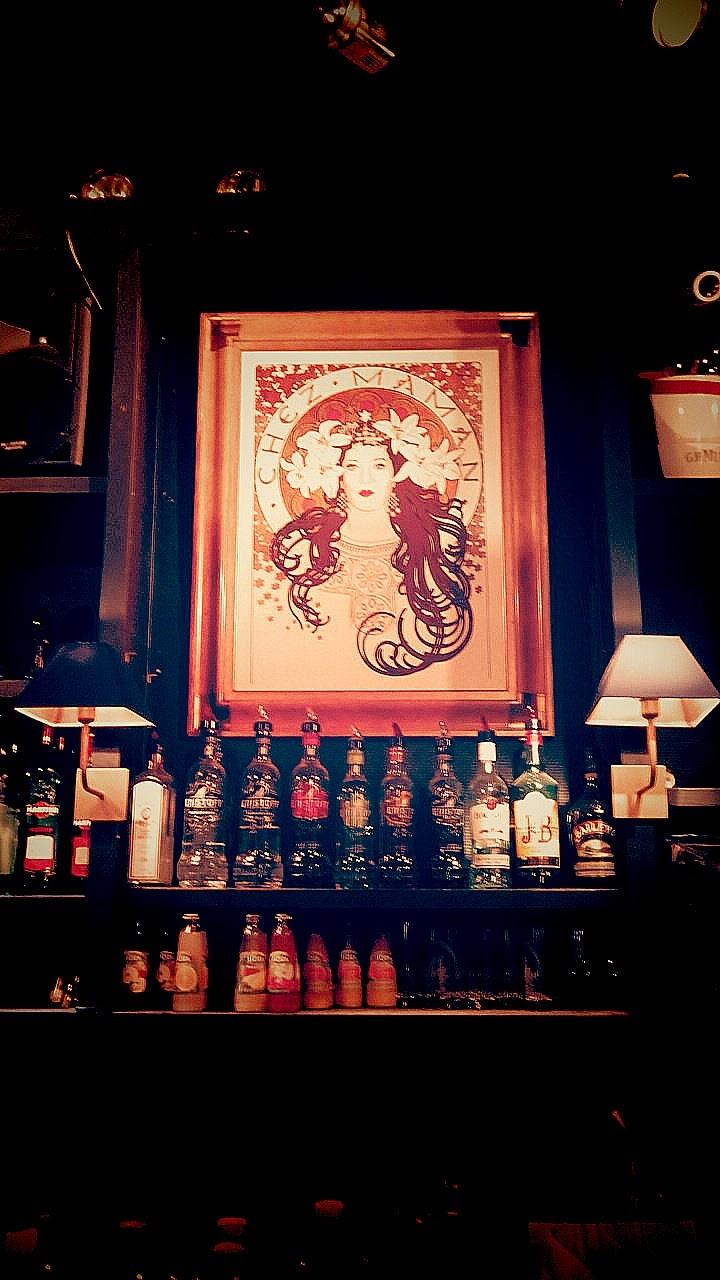
The Schöneberg bar strip on Motzstrasse and Fuggerstrasse is easy to walk. You can go from one end to the other in ten minutes and try several places in an evening. Most open in the late afternoon and stay open until 2 or 3am. Some keep going longer on weekends.
Bars worth knowing: [ipsə], Admiralspalast Berlin, Ajpnia e.V., Alte Münze Berlin, Arena Club, Ballsbridge, Bar Saint Jean, Bar Voyage, Barbie Deinhoff, BarbieBar, Barenhohle, Berghain Club, Besenkammer-Bar, Betty F* Bar, Bi Nuu
The Kreuzberg bar scene is more scattered but rewards the effort. Several venues here have bar areas that turn into club spaces after midnight. For a quieter drink, Schöneberg is the obvious pick. For something that goes somewhere, head east.
Saunas
Berlin's gay saunas are larger and better-equipped than most comparable cities in Europe. Some are effectively full-day leisure centers. Pricing is reasonable—generally cheaper than Amsterdam or Paris. Sessions have no fixed time limit. The busiest times tend to be weekend afternoons and Sunday evenings.
Sauna options: Der Boiler, Gate Sauna
Hotels
For easy access to the Schöneberg scene, stay near Nollendorfplatz. The U-Bahn connection from there covers most of Berlin in under 30 minutes. Budget accommodation in Berlin is genuinely cheap by Western European standards. A decent hotel in a central neighborhood costs noticeably less than equivalents in London or Paris.
Gay-friendly options: Air In Berlin Hotel, aletto Kudamm, Arco City Hotel, Arte Luise Kunsthotel, ArtHotel Connection, ArtHotel Connection3 stars, Artim Hotel,
Events
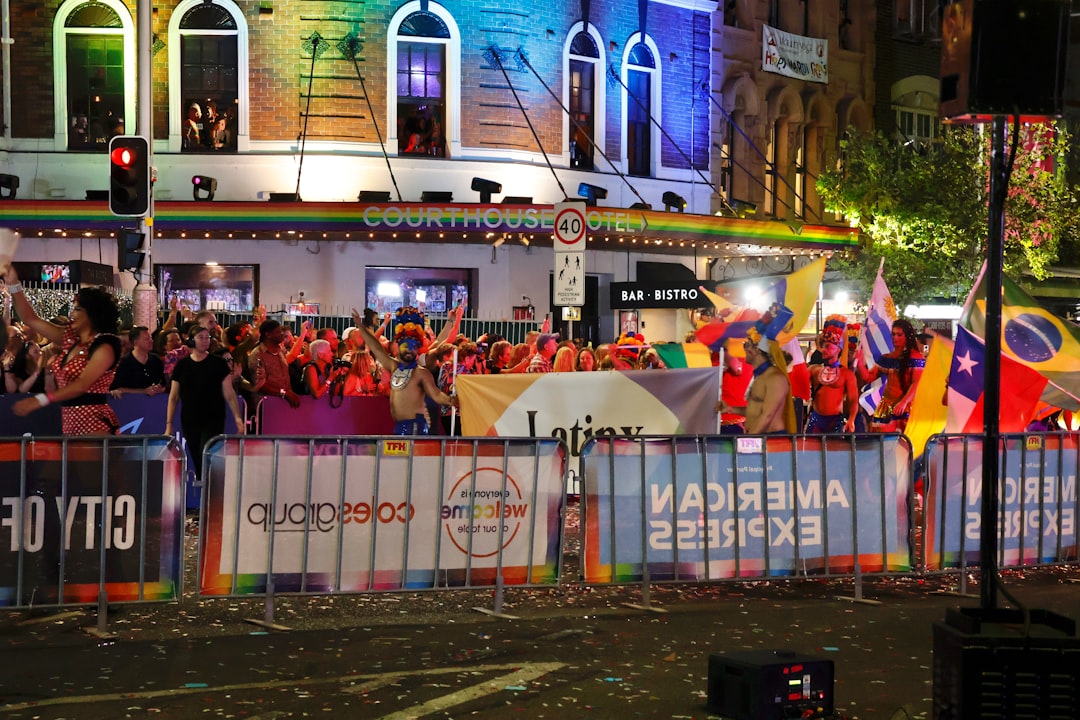
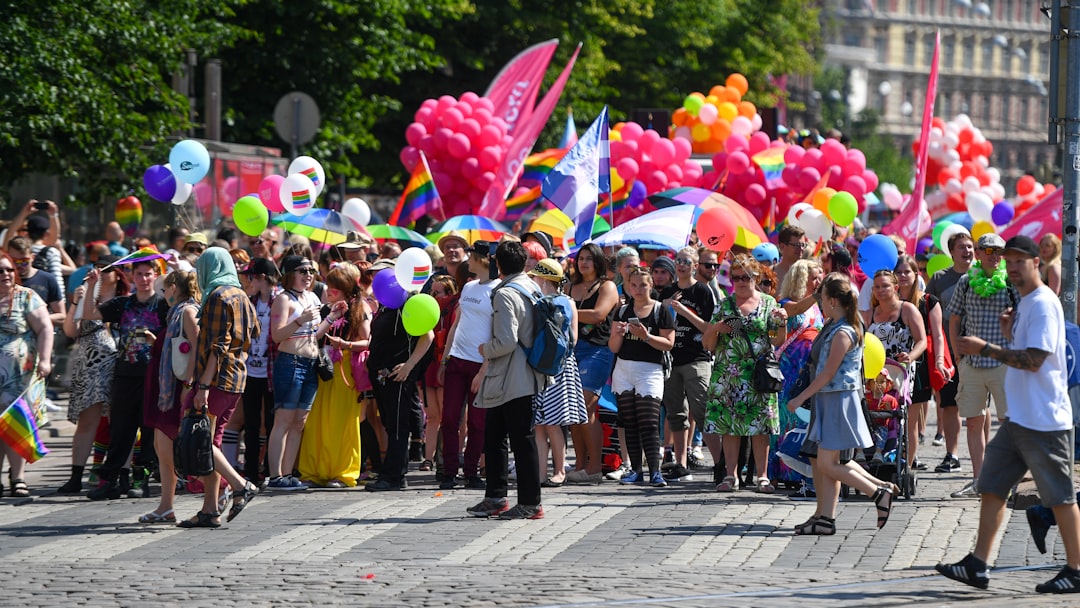
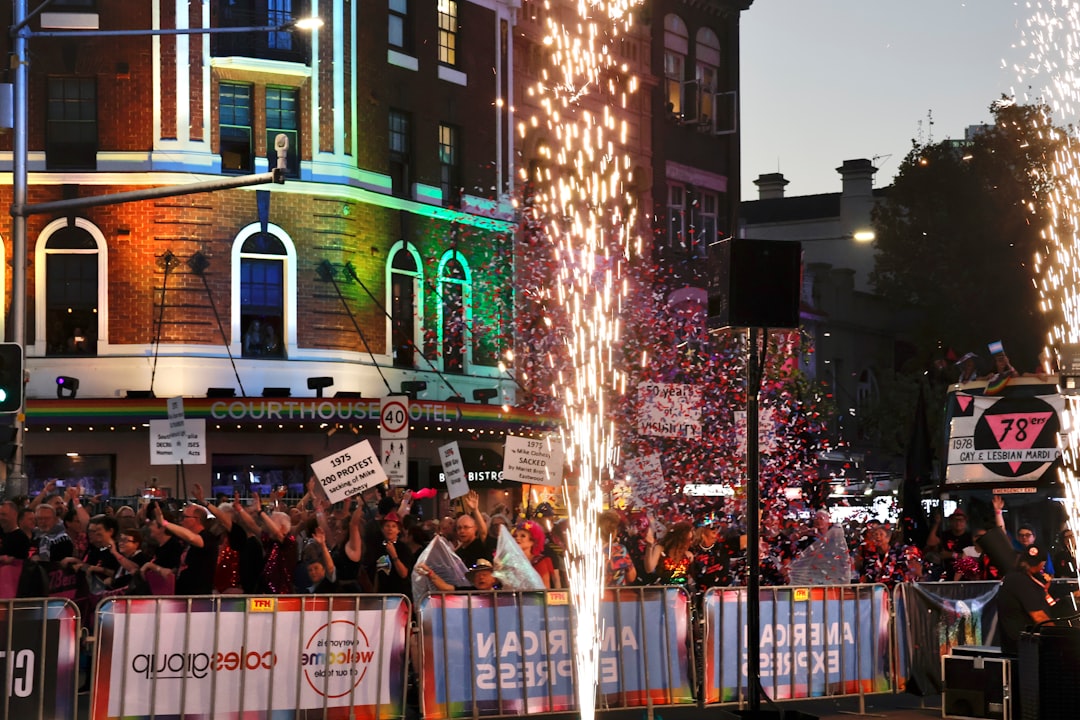
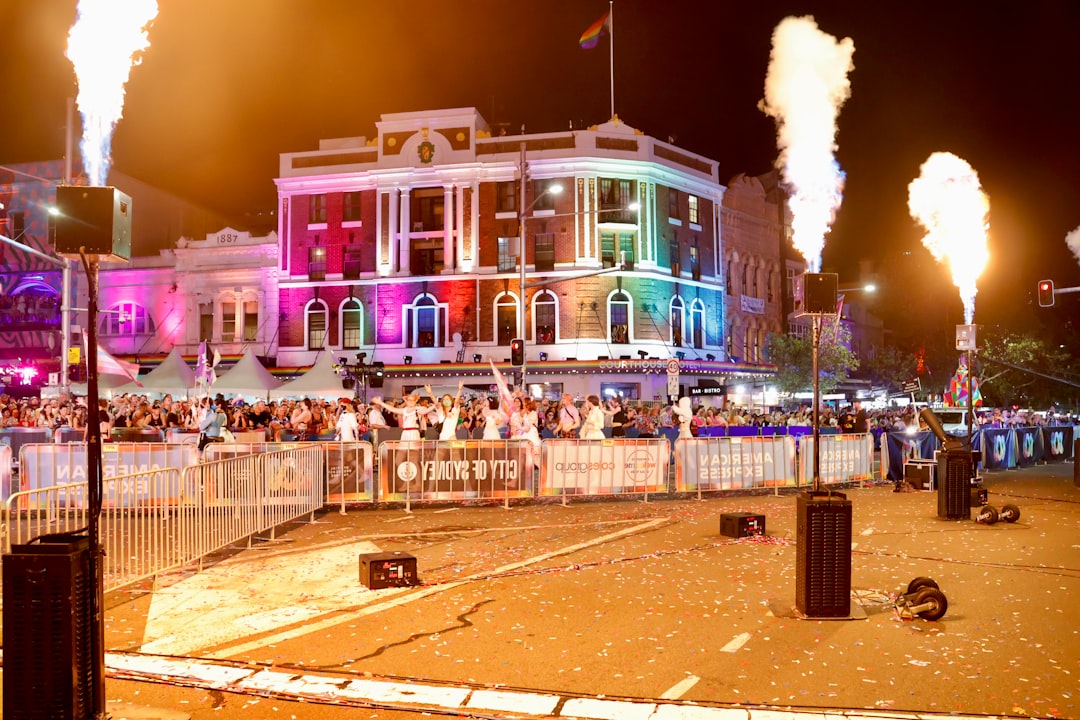
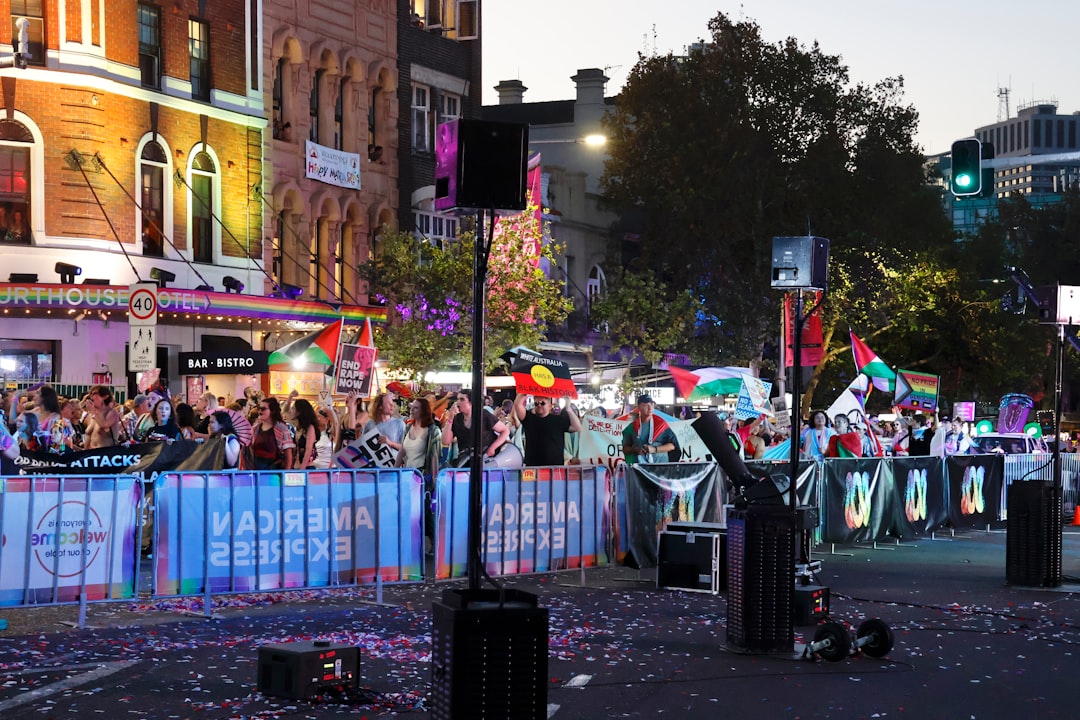
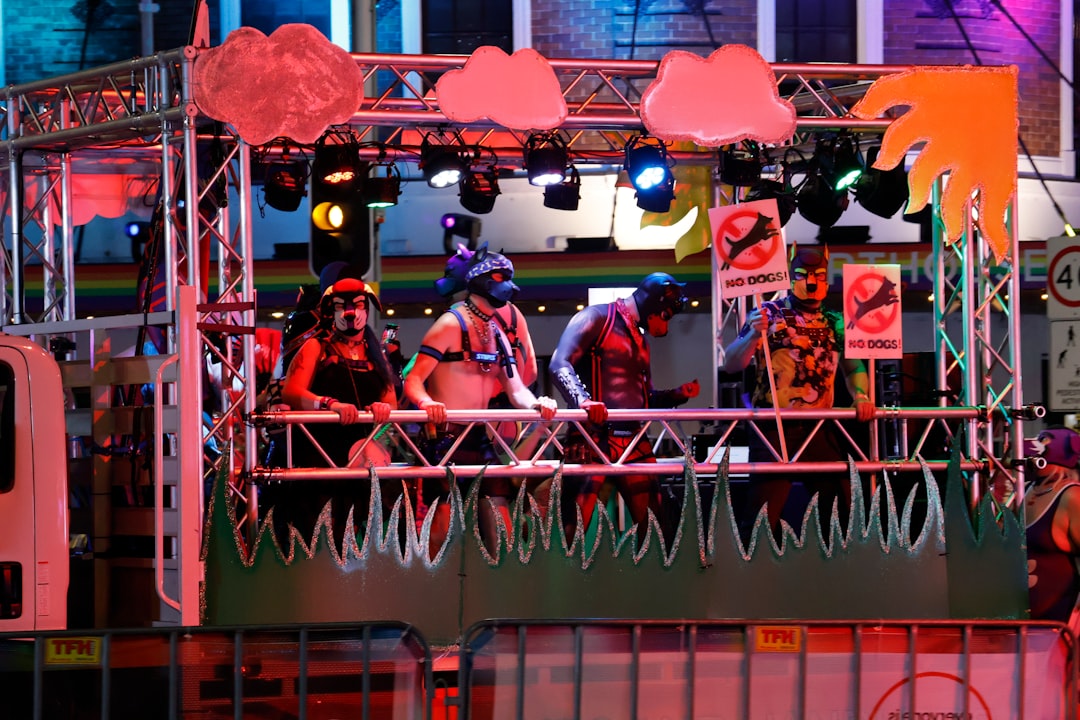
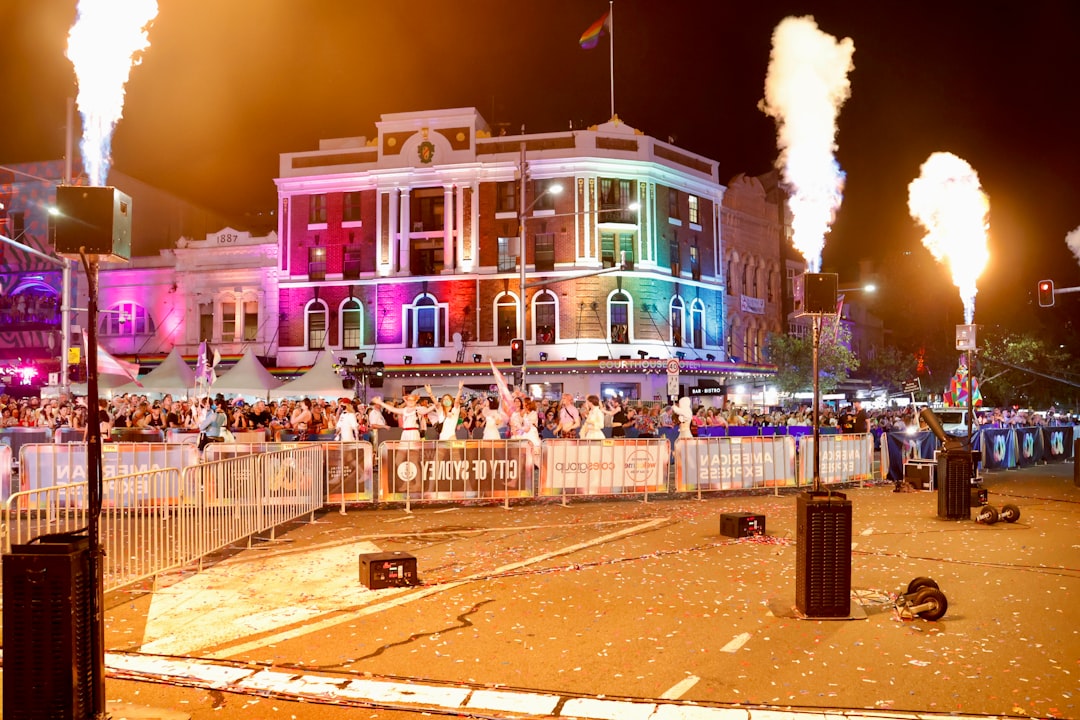
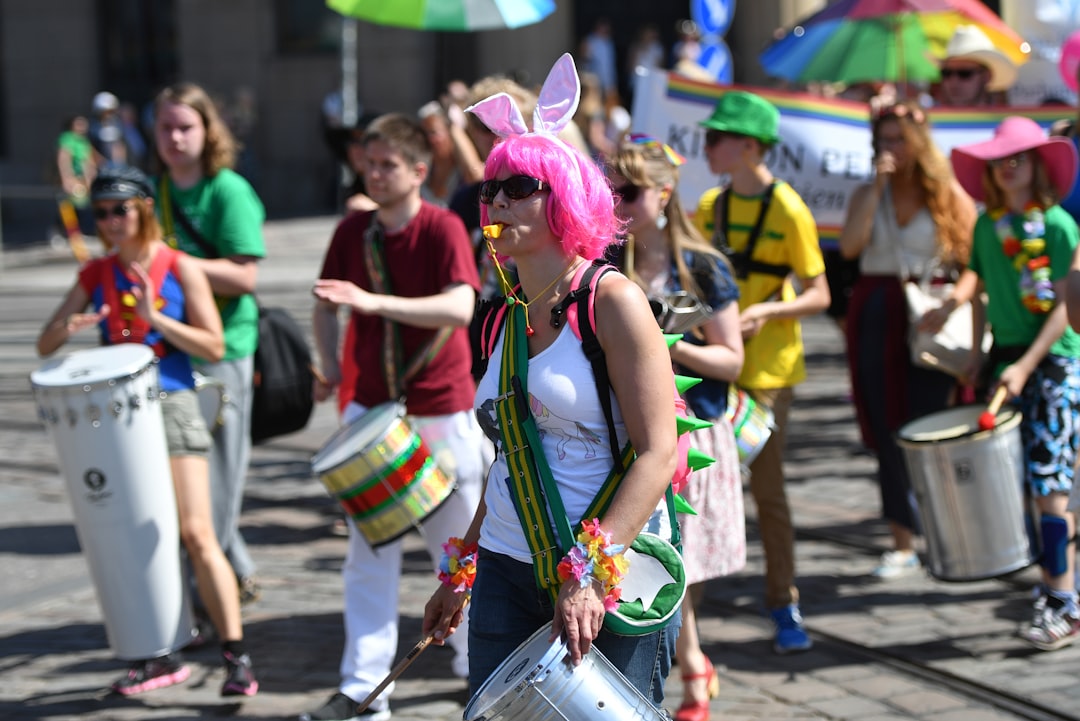
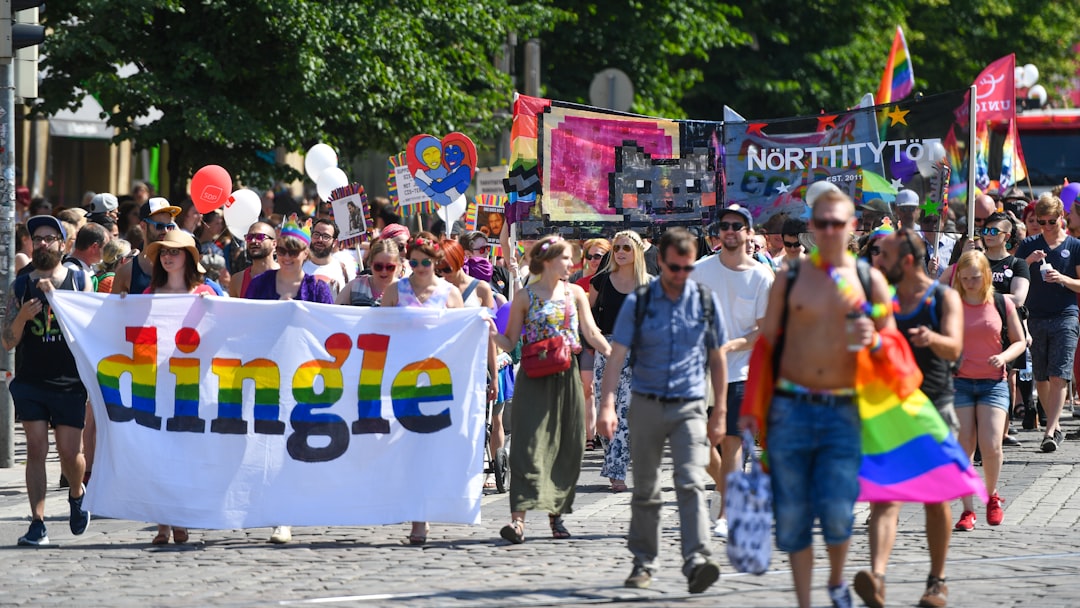
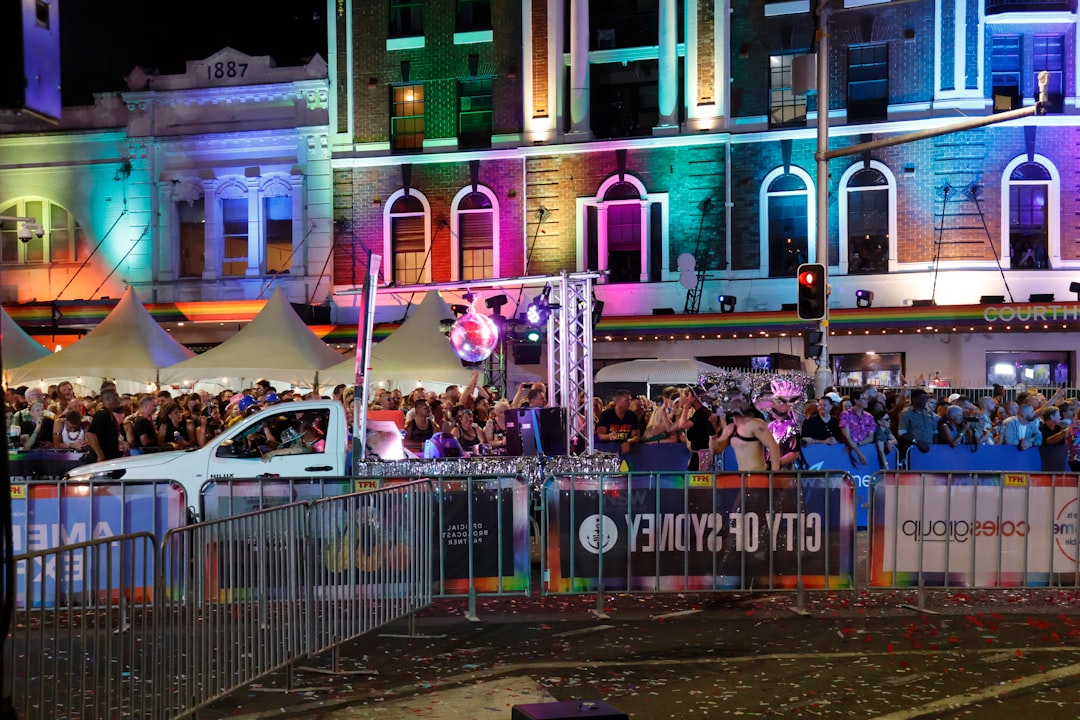
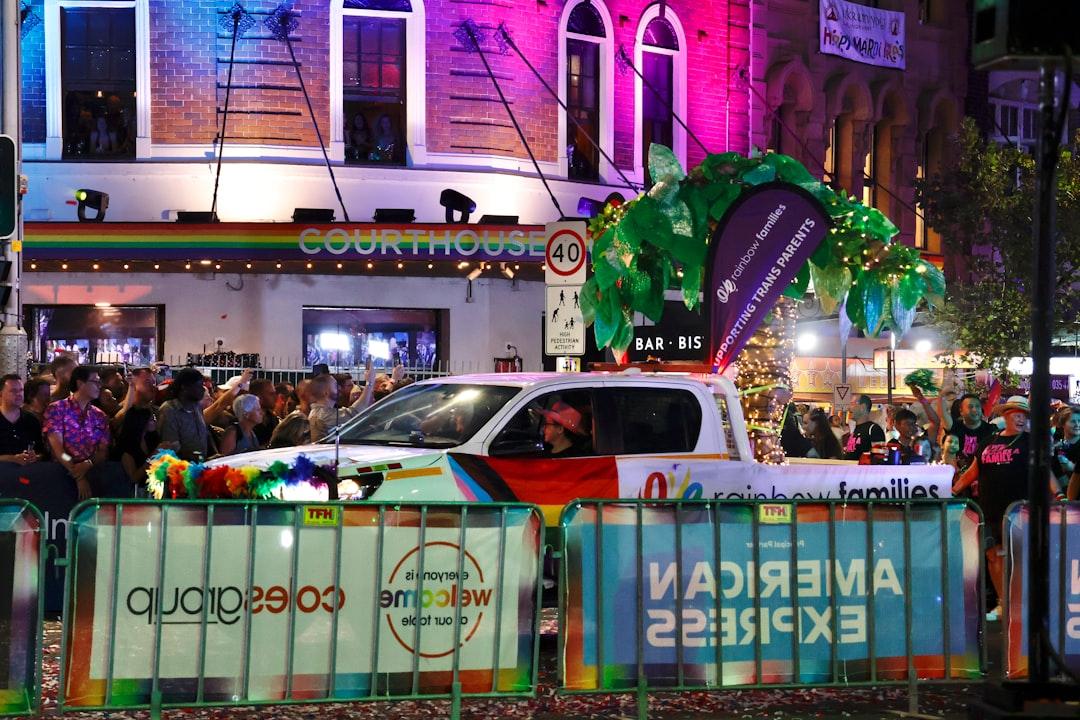
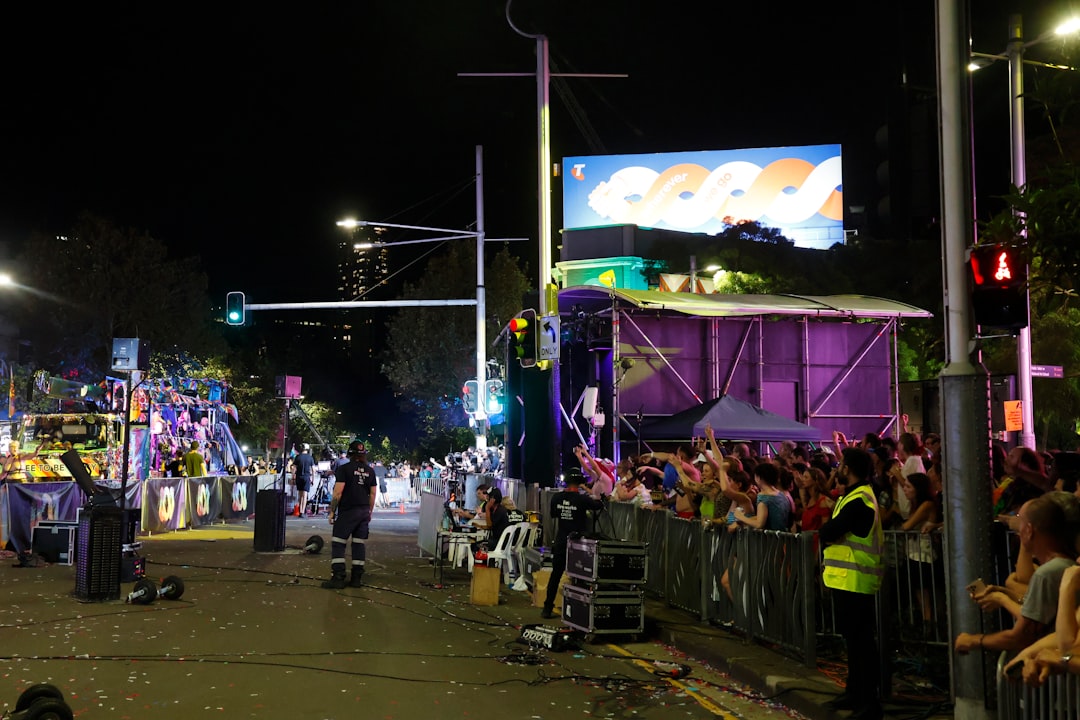
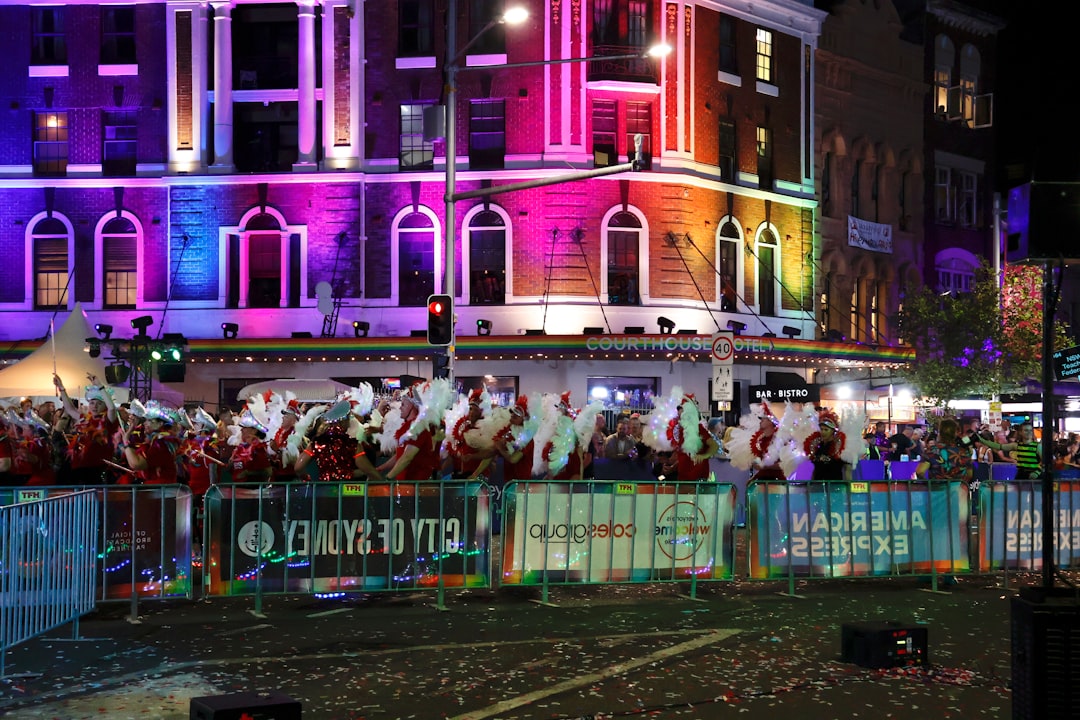
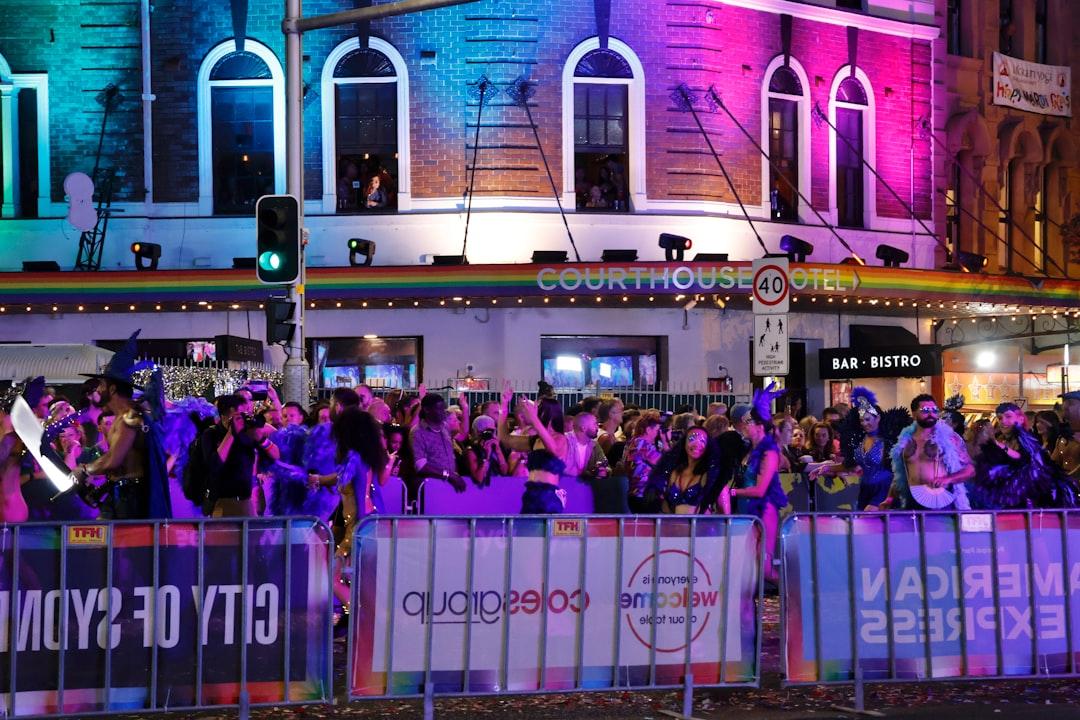
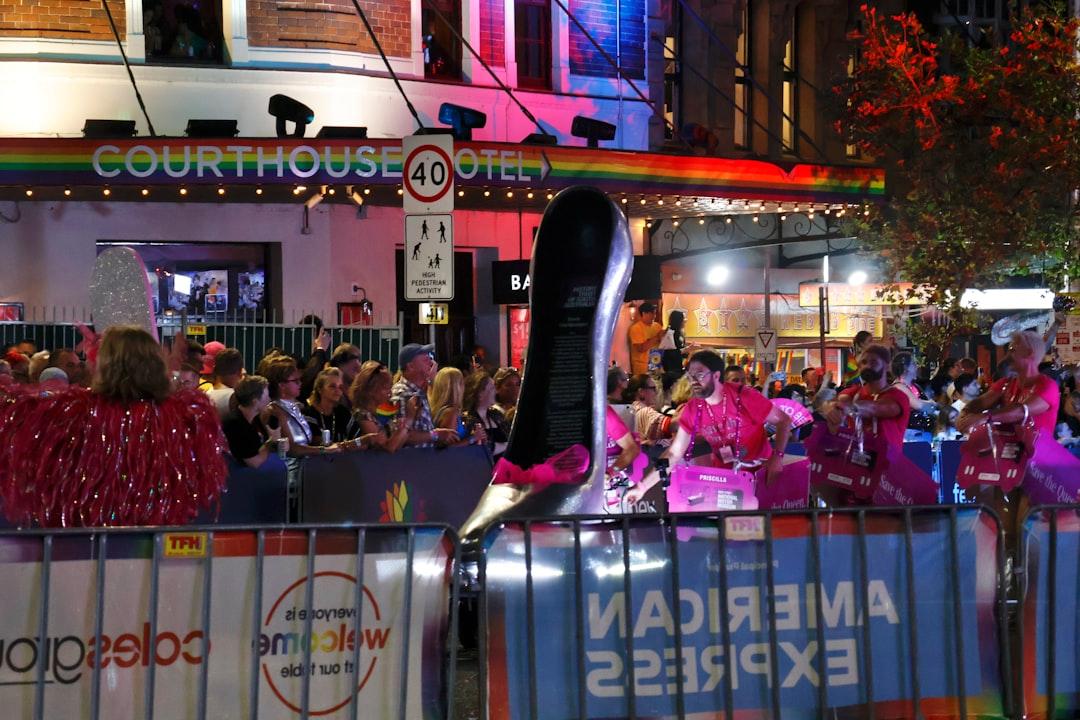
Berlin Pride (Christopher Street Day) happens in late June and draws over a million people. It's one of the largest Pride events in Europe. The parade route goes through the city center, and street parties run for several days around it. Folsom Europe, a leather and fetish street fair, takes place in September in Schöneberg. Both are worth planning around if they align with your trip.
Gay Pride & CSD Berlin 2026, Folsom Europe Berlin 2026, Berlin Leather & Fetish Week 2026Practical notes
- Cash: Clubs almost universally require it. Some bars still prefer it. Bring more than you think you need.
- Cost: Berlin is cheap relative to Western European capitals. A beer at a Schöneberg bar costs €4–6. Club entry varies from €10 to €25 depending on night and venue.
- Transport: The U-Bahn and S-Bahn run all night on weekends. The U1 and U2 lines serve Schöneberg and connect to the rest of the city. Buy a 24-hour or 48-hour ticket.
- Language: English works everywhere in the gay scene without issue.
- Berghain dress code: Black tends to work. Anything that reads as tourist or mainstream club is a bad idea. No photos inside, ever.
FAQ
What are the two main gay areas in Berlin?
Schöneberg (around Nollendorfplatz, Motzstrasse, Fuggerstrasse) is the traditional gay district with bars and a neighborhood feel. Kreuzberg and Mitte are where the clubs and younger international scene concentrate. Both are worth visiting for different reasons.
How do you get into Berghain?
There's no guaranteed method. Go alone or in a small group of two, dress darkly, don't talk loudly in the queue, don't look at your phone, and don't explain what you're there for. The door policy is subjective and inconsistent. Plenty of people who do everything right still get turned away.
Is Berlin expensive for gay travelers?
No. Berlin is one of the cheaper major cities in Western Europe. Hotels, food, and bar prices are noticeably lower than Amsterdam, London, or Paris. Club entry can add up over a weekend but individual prices are reasonable.
When is Berlin Pride?
Christopher Street Day (Berlin Pride) takes place in late June. The parade draws over a million participants and spectators, making it one of the largest Pride events in Europe. Book accommodation well in advance if you plan to attend.
Do Berlin clubs really require cash?
Yes. Most clubs, especially the techno venues, are cash-only at the door and at the bar. ATMs inside venues charge significant fees. Withdraw cash before arriving—there are bank machines throughout Kreuzberg and Schöneberg.